Written by: BioRevive Editorial Team
‍
Medically reviewed by: Dr. Aishwarya Selvaraj, MBBS, Clinical Dermatology (Ireland), Aesthetic Practitioner
‍
Last Medically Reviewed: September 2026

‍

About the Medical Reviewer: Dr. Aishwarya Selvaraj is the founder and managing director of BioRevive by Skin Envy, with more than 12 years of experience and a focus on aesthetic medicine and evidence-based skin and wellness care.

‍

Medical Disclaimer: Fat-reduction and body-contouring treatments are not substitutes for medical diagnosis or treatment. If you have an underlying medical condition, unexplained changes in body shape, persistent pain, or other concerning symptoms, consult an appropriately qualified medical professional before undergoing any cosmetic or body-contouring procedure.

‍

Introduction

‍

Cryolipolysis and liposuction are two different approaches to localized body contouring. Cryolipolysis is a non-invasive fat reduction treatment that uses controlled cooling to gradually reduce a targeted fat bulge, while liposuction is a surgical procedure that physically removes fat through suction. Cryolipolysis generally produces a gradual and potentially modest reduction, whereas liposuction provides more direct surgical fat removal and requires a recovery period.
Neither procedure is intended as a weight-loss treatment or a treatment for obesity. The appropriate option depends on factors such as the amount and location of fat, skin quality, medical history, treatment goals, and preference regarding surgery.
For anyone considering Fat Reduction Treatment in Chennai, understanding these differences can help set realistic expectations before choosing a treatment.

What Is Cryosculpting?

‍

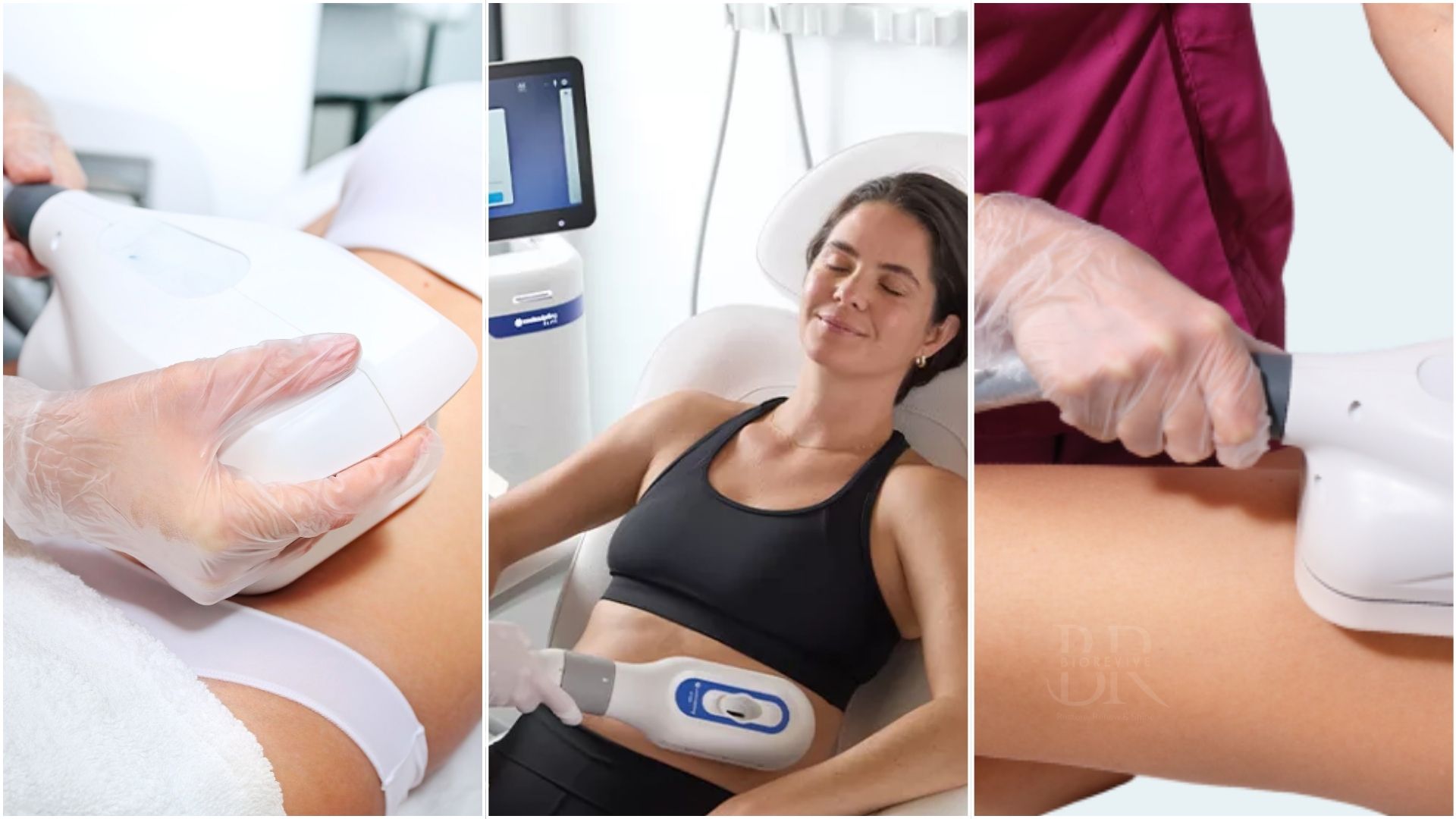
Cryosculpting uses controlled cooling to target fat cells beneath the skin. The principle behind cryolipolysis is that fat cells are more sensitive to cold than many surrounding tissues. During treatment, a specialized applicator draws a pinchable fat bulge into the treatment area and cools it for a controlled period. The body then gradually clears the damaged fat cells.

‍

Because the treatment does not involve surgical incisions, it is generally considered a non-invasive body contouring procedure. It may be considered for people who have localized fat bulges that have persisted despite diet and exercise.

‍

Cryosculpting is not designed for surgical fat removal or large-volume fat removal. Instead, the objective is gradual reduction of a targeted fat bulge. The American Society of Plastic Surgeons reports that cryolipolysis can produce an average reduction of approximately 20% in the treated fat layer, although individual results vary. 

‍

Common Areas Treated With Cryosculpting

‍

Depending on the device and its approved treatment areas, cryolipolysis may be used to address localized fat bulges in areas such as

‍

  • Abdomen
  • Flanks or love handles
  • Thighs
  • Upper arms
  • Under the chin
  • Other suitable areas of pinchable subcutaneous fat

‍

The exact areas that can be treated depend on the specific device, applicator, and clinical assessment.

‍

What Is Liposuction?

‍

Liposuction is a surgical procedure used to remove excess fat from specific areas of the body. During the procedure, a surgeon makes small incisions and inserts a hollow tube called a cannula beneath the skin. The cannula is used to loosen and suction out fat from the targeted area.

‍

Liposuction can be performed on areas such as the abdomen, waist, hips, thighs, back, upper arms, chest, chin, and neck, depending on the patient's anatomy and treatment plan.

‍

Unlike non-invasive body contouring, liposuction physically removes fat from the treated area. This makes it a surgical procedure requiring appropriate medical assessment, anesthesia or sedation depending on the technique, and a period of recovery.

‍

It is important to understand that liposuction is a body-contouring procedure rather than a weight-loss treatment. It is generally intended for people with localized fat deposits rather than for treating obesity.

‍

For people researching Fat Reduction Treatment in Chennai, understanding whether their concern is primarily excess fat, loose skin or both is an important part of treatment planning. 

‍

Cryosculpting vs Liposuction: Key Differences

‍

The biggest difference between the two procedures is how the fat is treated.

‍

“Cryosculpting uses controlled cooling to damage targeted fat cells, after which the body gradually clears them. Liposuction physically removes fat through suction during surgery.” 

‍

Here is a simplified comparison:

‍

Feature Cryosculpting Liposuction
Treatment type Non-invasive Surgical
Main mechanism Controlled cooling of fat cells Physical removal of fat through suction
Incisions No surgical incisions Small surgical incisions
Anaesthesia Generally not required Anaesthesia or sedation may be used
Fat effect Gradual reduction of a targeted fat bulge Surgical removal of fat from the treated area
Recovery Usually minimal activity restrictions Requires a structured recovery period
Results Develop gradually Contour change can be noticeable after swelling decreases
Suitable for Localised, pinchable fat bulges Localised fat deposits requiring surgical contouring
Main consideration Gradual and potentially more modest reduction Greater intervention with surgical risks

‍

The appropriate choice depends on the patient's anatomy, goals and medical suitability rather than simply selecting the procedure that sounds more powerful.

‍

How Does Cryosculpting Work?

‍

During a cryosculpting session, the treatment area is assessed and marked before the appropriate applicator is positioned. The applicator uses controlled cooling to target the underlying fat.

‍

Patients may initially experience pulling, pressure, cold, or discomfort as the applicator is applied. The treatment area generally becomes numb as cooling continues. According to the American Society of Plastic Surgeons, a typical session may take around an hour depending on the area and treatment setup.

‍

After treatment, the affected fat cells are gradually processed by the body. This means the final change does not appear immediately.

‍

Some people may experience temporary redness, swelling, bruising, tenderness, or numbness after treatment. The FDA also notes that fat-freezing procedures can have complications, including prolonged numbness, nodules, and, rarely, paradoxical adipose hyperplasia, in which the treated fatty tissue increases rather than decreases and may require surgical correction.

‍

How Does Liposuction Work?

‍

Liposuction involves a surgical process. After appropriate preparation and anesthesia, small incisions are made in the treatment area. A cannula is inserted beneath the skin and used to loosen and remove excess fat through suction.

‍

The procedure allows the surgeon to directly contour specific areas by removing targeted fat deposits. However, the outcome depends on factors including the amount and distribution of fat, skin elasticity, anatomy, and the surgical technique used.

‍

Liposuction is not intended to correct every body-contouring concern. For example, loose or significantly lax skin may not tighten adequately after fat removal, and additional procedures may sometimes be considered when excess skin is present.

‍

Which Treatment Has Less Downtime?

‍

Cryosculpting generally involves less downtime because it does not require surgical incisions. According to the American Society of Plastic Surgeons, patients typically have no activity restrictions following cryolipolysis, although temporary soreness or discomfort can occur.

‍

Liposuction requires more recovery because it is a surgical procedure. Swelling and bruising are common, and compression garments may be recommended during recovery. The timeline varies between patients, but activity is generally restricted during the early recovery period before gradually increasing as healing progresses.

‍

Therefore, people who prioritize avoiding surgery may consider a non-invasive option, while those seeking surgical contouring may discuss liposuction with a qualified surgeon.

‍

Cryosculpting vs Liposuction: Comparing Results

‍

The two treatments differ not only in how fat is treated but also in how quickly changes develop, the degree of intervention involved and the recovery process.

‍

Factor Cryosculpting / Cryolipolysis Liposuction
Expected fat reduction Gradual reduction of a targeted fat bulge; the American Society of Plastic Surgeons reports an average reduction of approximately 20% in the treated fat layer, although individual results vary. Fat is physically removed during surgery, but the amount removed depends on the treatment area, anatomy, surgical plan and individual safety considerations.
Visible results Develop gradually over several weeks and months. Contour changes can become noticeable after initial swelling decreases, with further settling during recovery.
Final result timeline Injured fat cells are gradually eliminated by the body over approximately four to six months, during which the treated fatty bulge decreases in size. Final contour develops progressively as swelling resolves and tissues settle during recovery.
Number of treatments Some people may require more than one treatment depending on the area, device, response and desired result. Usually performed as a surgical procedure for the planned treatment areas; additional procedures depend on individual circumstances and goals.
Downtime Usually minimal, with many people able to return to normal activities quickly. Requires a recovery period, with swelling, bruising and activity restrictions being common.
When it may be considered A relatively small, pinchable fat bulge when a non-surgical approach is preferred and clinically appropriate. Localised fat deposits when surgical removal and more direct contouring are appropriate.

‍

Neither approach guarantees a particular aesthetic result. Individual outcomes depend on factors such as fat distribution, skin elasticity, treatment area, technique, and the person's response to treatment.

‍

Who May Be Suitable for Cryosculpting?

‍

Cryosculpting may be considered for adults who:

‍

  • Have a localized, pinchable fat bulge
  • Are relatively close to their desired body weight
  • Have realistic expectations about gradual fat reduction
  • Prefer a non-surgical approach
  • Do not have medical conditions that make controlled cooling unsuitable

‍

Certain cold-related conditions can make cryolipolysis inappropriate. The FDA lists conditions such as Raynaud's disease, cold urticaria, and cryoglobulinemia among conditions requiring avoidance of fat-freezing procedures.

‍

People with significant loose skin or poor skin tone may also need a different approach because reducing a fat bulge does not directly correct substantial skin laxity.

‍

Who May Be Suitable for Liposuction?

‍

Liposuction may be considered for people with localized fat deposits who are medically suitable for surgery and have realistic expectations about the outcome.

‍

A surgical consultation typically considers medical history, medications, previous procedures, general health, treatment goals and the area to be contoured.

‍

Good skin elasticity can be helpful because liposuction removes underlying fat but does not directly remove loose skin.

‍

What If I Have Loose Skin?

‍

Fat reduction and skin tightening are not the same thing. Neither cryolipolysis nor liposuction is primarily a skin-tightening procedure.

‍

Cryolipolysis reduces targeted fat without surgically removing skin, while liposuction removes underlying fat but does not directly remove excess or significantly loose skin. If the skin has limited elasticity, reducing the underlying fat may not produce the degree of tightening a person expects.

‍

People with significant skin laxity may therefore require an assessment for other body-contouring options. The appropriate approach depends on the amount of excess skin, skin elasticity, location of the laxity, and the individual's overall goals.

‍

A consultation should assess both the fat compartment and the condition of the overlying skin before treatment is selected.

‍

What Are the Risks?

‍

Every medical procedure has potential risks, even when it is minimally invasive or non-invasive.

‍

Cryosculpting can cause temporary redness, swelling, bruising, discomfort, and numbness. Rare but important complications include paradoxical adipose hyperplasia, which may result in an enlarged, firm area of fat that can require surgery.

‍

Liposuction has surgical risks that can include bruising, swelling, infection, changes in sensation, fluid accumulation, contour irregularities, asymmetry, blood clots, anaesthesia-related complications and injury to deeper structures.

‍

This is why the decision should be based on individual medical assessment rather than comparing treatments only on price, downtime or popularity.

‍

How to Choose Between Cryosculpting and Liposuction

‍

The decision should be based on the treatment area, amount of fat, skin quality, medical history, desired outcome and preference regarding surgery.

‍

Consider:

‍

1. Treatment area and fat distribution
‍
The size, thickness and location of the fat deposit can influence which approach may be appropriate.

‍

2. Skin quality
‍
Existing skin laxity can affect the final appearance after fat reduction.

‍

3. Surgery and recovery
‍
Cryosculpting is non-invasive, while liposuction involves surgery and a recovery period.

‍

4. Expected results
‍
Cryosculpting produces gradual fat reduction, while liposuction directly removes fat during surgery.

‍

5. Medical suitability
‍
A professional assessment can identify factors that may affect treatment safety or expected results.

‍

The goal is to choose an approach that fits your individual anatomy and expectations rather than simply selecting the procedure with the shortest recovery or most noticeable immediate change.

‍

Why a Consultation Matters Before Fat Reduction Treatment

‍

If you are considering Fat Reduction Treatment in Chennai, a consultation should come before deciding on a specific procedure. Cryolipolysis and liposuction address localised fat in different ways, so treatment selection should be based on your individual anatomy rather than the procedure name alone.

‍

Assessing Fat Distribution

‍

The treatment area should be examined to determine the location, thickness and distribution of the subcutaneous fat. This helps establish whether the concern is suitable for targeted fat reduction.

‍

Assessing Skin Laxity

‍

Fat reduction does not necessarily correct loose or significantly lax skin. Assessing skin elasticity can therefore help set realistic expectations about the appearance of the treated area.

‍

Identifying the Treatment

‍

If cryolipolysis is being considered, ask which specific device and technology will be used and whether it is authorised for the intended use and treatment area.

‍

For liposuction, the consultation should cover the surgical technique, anaesthesia or sedation, expected recovery and the facility where the procedure will be performed.

‍

Discussing Expected Results

‍

A consultation should explain how quickly results are expected to develop, whether more than one treatment may be needed, and what degree of change is realistic.

‍

Reviewing Risks and Recovery

‍
The provider should explain potential side effects, relevant risks, activity restrictions, follow-up requirements and any factors in your medical history that could affect treatment suitability.

‍

A thorough consultation helps ensure that the treatment plan is based on fat distribution, skin condition, medical factors and individual goals, rather than choosing a procedure based only on price, popularity or downtime.

‍

Related Treatments

‍

Oligoscan
‍
Primex
‍
Ballancer Pro
‍
Emslim
‍
Infrared Sauna

‍

Frequently Asked Questions

‍

Is cryosculpting better than liposuction?

‍

Neither treatment is universally better. Cryosculpting is a non-invasive approach designed for gradual reduction of localised fat, while liposuction is a surgical procedure that physically removes fat. The appropriate option depends on individual anatomy, goals, medical suitability and expectations.

‍

Is cryosculpting safe?

‍

Cryolipolysis has recognised uses in non-invasive fat reduction, but it is not completely risk-free. Temporary discomfort, swelling, bruising and numbness can occur. Rare complications such as paradoxical adipose hyperplasia have also been reported.

‍

How long does it take to see cryosculpting results?

‍

Results develop gradually because the body needs time to process the affected fat cells. The treated area may continue to change over several months, with the fatty bulge potentially continuing to decrease over approximately four to six months.

‍

Does liposuction permanently remove fat?

‍

Liposuction physically removes fat cells from the treated area. However, substantial weight gain can affect the overall body contour because remaining fat cells elsewhere in the body can enlarge.

‍

Can loose skin be treated with cryosculpting or liposuction?

‍

Neither cryolipolysis nor liposuction is primarily a skin-tightening procedure. If significant skin laxity is present, a separate assessment may be needed to determine whether another body-contouring approach is appropriate.

‍

How long is liposuction recovery?

‍

Recovery varies according to the individual, treatment area and extent of surgery. Swelling and bruising are common, and activity is generally limited during the early healing period. Your surgeon will provide personalised instructions regarding work, exercise, compression garments and follow-up.

‍

Which treatment should I consider for localised fat?

‍

The appropriate Fat Reduction Treatment in Chennai depends on the location and amount of fat, skin quality, medical history, treatment goals and whether you prefer a non-surgical or surgical approach.

‍

Conclusion

‍

Cryosculpting and liposuction are different approaches to localised fat reduction. Cryosculpting uses controlled cooling to gradually reduce targeted fat without surgery, while liposuction surgically removes fat through suction.

‍

The appropriate option depends on the amount and location of fat, skin elasticity, medical history, recovery expectations and desired outcome.

‍

  • Small, pinchable fat bulge: A non-invasive approach such as cryolipolysis may be considered when clinically appropriate.
  • More defined localised fat deposits: Liposuction may be discussed when surgical fat removal and contouring are appropriate.
  • Significant loose or lax skin: Fat reduction alone may not address the concern, so other body-contouring options may need to be assessed.
  • Uncertain suitability: A professional consultation can assess the fat distribution, skin quality and medical factors before treatment is selected.

‍

Book a Fat Reduction Consultation in Chennai

‍

Considering cryolipolysis or liposuction for a localised fat concern? A professional consultation can help assess your fat distribution, skin laxity, treatment goals and medical suitability.

‍

During the assessment, you can discuss the available treatment options, expected results, potential risks and recovery requirements before deciding on an approach.

‍

Book a consultation to understand which body-contouring option may be appropriate for your individual needs.

‍

References

‍

  1. American Society of Plastic Surgeons — Cryolipolysis and Nonsurgical Fat Reduction
    ASPS — Cryolipolysis
  2. U.S. Food & Drug Administration — Non-Invasive Body Contouring Technologies
    FDA — Non-Invasive Body Contouring Technologies
  3. American Society of Plastic Surgeons — Liposuction
    ASPS — Liposuction
  4. American Society of Plastic Surgeons — Liposuction Risks and Safety
    ASPS — Liposuction Risks and Safety
  5. American Society of Plastic Surgeons — Liposuction Recovery
    ASPS — Liposuction Recovery
The ASPS source specifically supports the 20% average reduction and four-to-six-month elimination timeline, so those claims can remain with that source cited directly.
‍

Read More

Cryosculpting vs Liposuction

October 5, 2026
Read More

Early Hair Loss

September 28, 2026
Read More