Medically Reviewed By: Dr Aishwarya Selvaraj, MBBS, Clinical Dermatology (Ireland), Aesthetic Practitioner

‍

Last Medically Reviewed: November 2026

‍

About the Medical Reviewer: Dr Aishwarya Selvaraj is identified by BioRevive as the Founder and Managing Director of BioRevive by Skin Envy, with more than 12 years of experience in aesthetic medicine, skin care and wellness.

‍

Medical Disclaimer: This article provides general educational information and is not a substitute for individual medical advice, diagnosis or treatment. Consult an appropriately qualified healthcare professional to discuss your concerns, medical history and suitability for any aesthetic procedure.

‍

Introduction

‍
Hair fall and thinning can be frustrating, especially when you begin noticing reduced hair density, a widening hair parting or a receding hairline. With several non-surgical hair restoration options available, choosing the right treatment can feel confusing.

‍

Two treatments that have gained attention for supporting hair regrowth are Platelet-Rich Plasma (PRP) and Growth Factor Concentrate (GFC). Both use components obtained from the patient's own blood and aim to support the scalp environment and existing hair follicles. However, their preparation methods and growth factor delivery differ.

‍

When comparing PRP vs GFC hair treatment, many people want to know which option provides better results, how the procedures work and whether one is more suitable for their type of hair loss.

‍

Although both treatments have shown potential, neither is a guaranteed solution for every individual. Understanding their differences, benefits, limitations and suitability can help you make a more informed decision.

‍

What Causes Hair Loss?

‍

Hair loss can develop for several reasons. Identifying the underlying cause is important because not every type of hair loss responds to the same treatment.

‍

Common causes include:

‍

  • Genetic or pattern hair loss: Androgenetic alopecia is an inherited condition that causes gradual hair thinning. It can affect both men and women.
  • Nutritional deficiencies: Low levels of nutrients such as iron and certain vitamins may contribute to excessive hair shedding.
  • Hormonal changes: Changes associated with thyroid conditions, pregnancy, menopause and other hormonal factors can affect the hair growth cycle.
  • Stress-related hair shedding: Physical or emotional stress, illness and significant changes in the body may trigger a temporary increase in hair shedding, including telogen effluvium
  • Scalp conditions: Inflammation, infections and certain dermatological conditions can affect scalp health and hair growth.

‍

Because these causes require different approaches, a scalp examination and medical assessment should come before choosing a regenerative hair treatment.

‍

What Is PRP Hair Treatment?

‍
Platelet-Rich Plasma (PRP) is a regenerative treatment that uses a concentrated portion of the patient's own blood. Platelets are blood components involved in clotting and tissue repair. They also contain growth factors and signalling proteins that participate in the body's natural healing processes.

‍

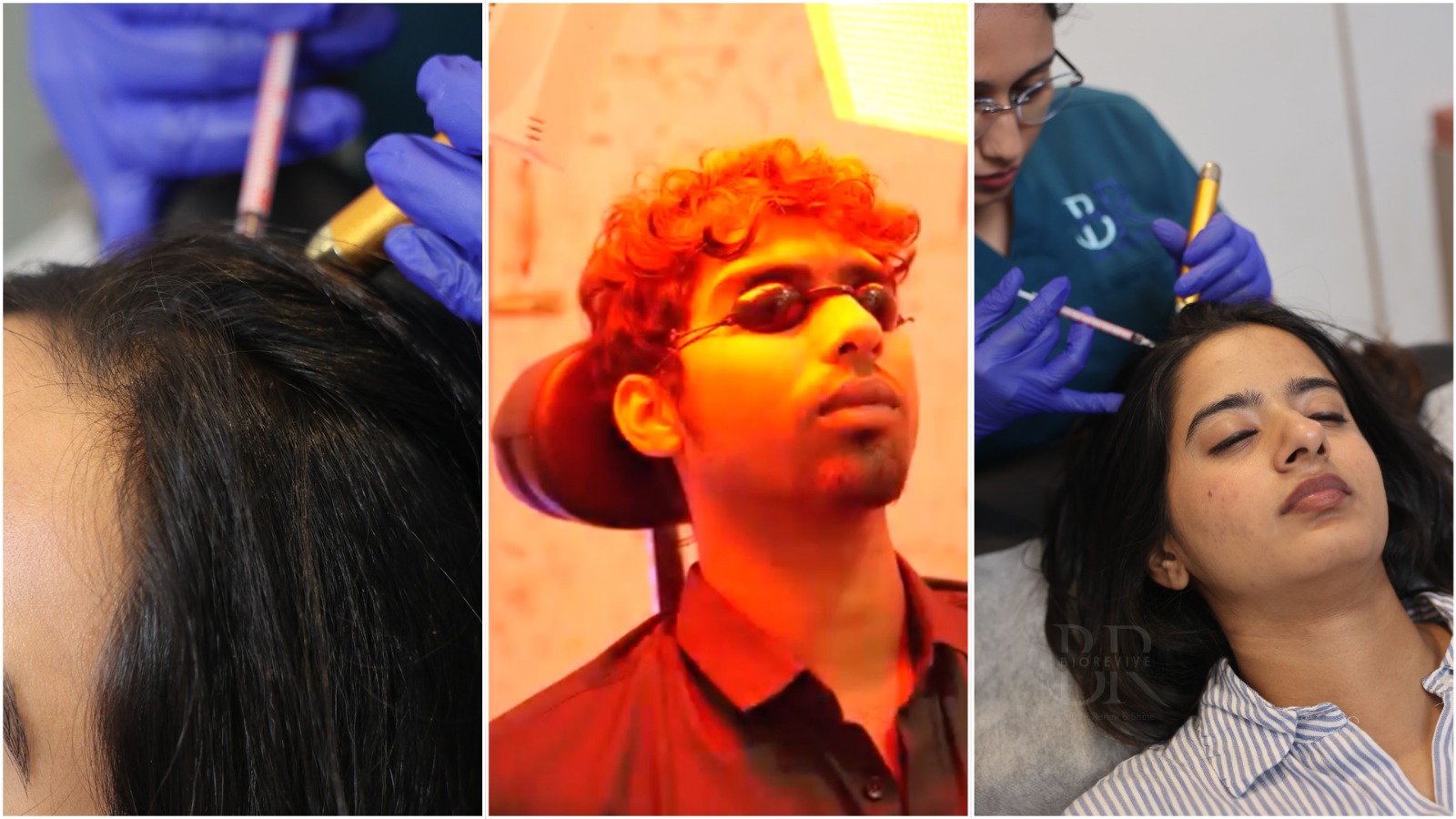
During PRP treatment, a small blood sample is collected and processed using a centrifuge. This separates the blood components and helps obtain platelet-rich plasma. The prepared plasma is then injected into selected areas of the scalp.

‍

PRP is commonly explored for androgenetic alopecia, also known as pattern hair loss. It is intended to support the environment around existing hair follicles and may help improve hair density in suitable individuals.

‍

How Does PRP Work for Hair Regrowth?

‍

PRP contains platelet-derived growth factors that may influence cellular activity and tissue repair processes. When introduced into selected scalp areas, these growth factors may help support the environment surrounding hair follicles.

‍

Potential benefits include:

‍

  • Supporting the activity of existing hair follicles.
  • Potentially improving hair density in suitable individuals.
  • Helping reduce hair shedding in some patients.
  • Supporting healthier-looking hair growth.
  • Providing a non-surgical approach to managing selected types of hair thinning.

‍

It is important to understand that PRP does not create new hair follicles. Its potential benefits are associated with supporting existing follicles that may still be capable of producing hair.

‍

What Is GFC Hair Treatment?

‍

Growth Factor Concentrate (GFC) is another regenerative hair treatment prepared using the patient's own blood. It is designed to obtain a preparation containing concentrated growth factors that may support the scalp environment.

‍

Although PRP and GFC both use blood-derived components, their preparation methods differ. PRP generally involves separating platelet-rich plasma from other blood components. GFC preparation uses a specialised kit or processing system intended to isolate and concentrate growth factors.

‍

The exact growth factor composition, concentration and final preparation can vary according to the kit, equipment and clinical protocol. Therefore, GFC products should not be assumed to have identical compositions or biological effects across different clinics.

‍

How Does GFC Work for Hair Regrowth?

‍

GFC treatment involves collecting a small blood sample and processing it using a specialised preparation system. The resulting concentrate is then injected into selected areas of the scalp.

‍

Growth factors are signalling proteins involved in processes such as cell communication and tissue repair. When administered into the scalp, they may influence the local biological environment around existing hair follicles. However, this does not mean that injected growth factors directly regenerate damaged follicles or create new ones.

‍

Potential treatment goals include:
  • Supporting the environment around existing hair follicles.
  • Helping improve hair density in suitable patients.
  • Supporting healthier-looking hair growth.
  • Addressing selected patterns of hair thinning.
  • Providing a non-surgical option for individuals exploring regenerative hair treatments.

‍

GFC does not generate new follicles in areas where hair follicles have been permanently lost. Its suitability depends on the condition of existing follicles and the underlying cause of hair loss.

‍

PRP vs GFC Hair Treatment: What Are the Main Differences?

‍

Both treatments use the patient's own blood, but they differ in their preparation methods and the components delivered to the scalp.

‍

Here is a comparison of their key features:
‍
Feature PRP Hair Treatment GFC Hair Treatment
Full form Platelet-Rich Plasma Growth Factor Concentrate
Source Patient's own blood Patient's own blood
Preparation Blood is processed to obtain platelet-rich plasma Blood is processed using a specialised kit or system to obtain a growth factor concentrate
Main components Platelets and plasma, depending on the preparation protocol Concentrated growth factors, depending on the preparation kit and protocol
Administration Injections into selected scalp areas Injections into selected scalp areas
Main objective Support the scalp environment and hair follicle activity Deliver a growth factor preparation to selected scalp areas
Research More extensively studied for pattern hair loss Growing evidence base, with fewer direct comparative studies
Results Vary according to the individual and treatment protocol Vary according to the individual and treatment protocol

‍

Neither treatment is automatically better for everyone. The preparation system, treatment technique, medical assessment and individual response all influence the outcome.

‍

Which Is More Effective: PRP or GFC for Hair Regrowth?

‍
This is one of the most common questions people ask when exploring regenerative hair treatments.

‍

PRP has been studied more extensively for androgenetic alopecia. Several clinical studies have reported improvements in hair density and reductions in hair loss among some individuals. However, results vary because research studies use different preparation techniques, platelet concentrations, injection methods and treatment schedules.

‍

GFC is a comparatively newer approach in hair restoration. Early clinical studies have reported encouraging changes in hair-related measurements, including hair density. However, the available research is still developing, and there are fewer large, high-quality studies directly comparing GFC with PRP.

‍

A 2024 retrospective study by Bi and colleagues evaluated concentrated growth factor injections in people with androgenetic alopecia. The researchers reported improvements in hair density during follow-up. However, the study had no comparison group, so it cannot establish that the treatment is more effective than PRP.

‍

A 2026 retrospective comparative study by Garg and Thirumalaiswamy examined PRP and GFC in 42 people with pattern hair loss. Both groups showed improvements, but the results differed across hair measurements and follow-up assessments. Its relatively small sample and retrospective design mean the findings should be interpreted cautiously.

‍

These studies suggest that both approaches may have potential benefits, but they do not establish one treatment as universally superior.

‍

Therefore, the answer depends on the individual. A treatment that may be suitable for someone with early pattern hair loss might not be appropriate for someone experiencing hair loss due to nutritional deficiencies, hormonal changes or an underlying scalp condition.

‍

Benefits of PRP Hair Treatment

‍

PRP is an established regenerative approach that has been investigated for different types of hair loss. Its potential advantages include:

‍

1. Uses Your Own Blood

‍

PRP is prepared from the patient's own blood, making it an autologous treatment. This means the material used during the procedure comes from the individual receiving it.

‍

2. Minimally Invasive Procedure

‍

PRP involves injections into selected scalp areas rather than surgery. It is generally performed in a clinical setting and does not require surgical hair transplantation.

‍

3. May Support Hair Density

‍

Clinical research has reported improvements in hair density in some individuals with pattern hair loss. However, the extent of improvement differs between patients.

‍

4. Can Be Part of a Wider Hair Management Plan

‍

Depending on the diagnosis, a practitioner may consider PRP alongside other suitable hair-loss treatments. It should not automatically replace established medical options.

‍

Benefits of GFC Hair Treatment

‍

GFC is designed to deliver a concentrated growth factor preparation to selected areas of the scalp. Its potential advantages include:

‍

1. Growth Factor Concentration

‍

The preparation process is designed to obtain a concentrate containing selected growth factors. The actual composition depends on the preparation kit and clinical protocol used.

‍

2. Uses the Patient's Own Blood

‍

Like PRP, GFC is an autologous procedure. The treatment material is obtained from the patient's own blood.

‍

3. Non-Surgical Approach

‍

GFC is administered through scalp injections and does not involve surgical hair transplantation. It may be considered by individuals looking for non-surgical hair restoration options.

‍

4. May Support Existing Hair Follicles

‍

The treatment aims to influence the scalp environment around existing follicles. Its potential benefits depend on the individual's hair condition and the underlying cause of thinning.

‍

Who May Be Suitable for PRP or GFC Hair Treatment?

‍

Both treatments may be considered for selected individuals experiencing non-scarring hair loss. However, a proper medical assessment is necessary before choosing either procedure.

‍

People Experiencing Pattern Hair Loss

‍

Androgenetic alopecia is a common cause of gradual hair thinning in men and women. It may appear as a receding hairline, reduced density around the crown or a widening parting.

‍

A practitioner may consider regenerative treatments as part of an individualised management plan, depending on the stage of hair loss and the condition of the follicles.

‍

People With Early Hair Thinning

‍

Individuals who notice reduced hair density may benefit from an early scalp assessment. Identifying the cause of hair thinning can help determine whether PRP, GFC or another treatment is appropriate.

‍

People With Existing Hair Follicles

‍

These treatments are intended to support the environment around existing follicles. Areas where follicles have been permanently destroyed or lost may not respond in the same way.

‍

People Experiencing Diffuse Hair Shedding

‍

Hair shedding can occur due to stress, nutritional deficiencies, hormonal changes, illness and other medical factors. In these cases, identifying and addressing the underlying cause is essential. PRP or GFC should not be assumed to be suitable for every type of hair fall.

‍

How Many Sessions Are Needed for PRP and GFC?

‍

The number of sessions depends on the treatment selected, the severity of hair thinning, the preparation protocol and the individual's response.

‍

Both procedures may involve multiple sessions rather than a single treatment. The interval between sessions and the total number recommended can differ according to the preparation system, practitioner assessment and treatment goals.

‍

A practitioner may consider:

‍

  • The extent and pattern of hair loss.
  • Hair density before treatment.
  • Scalp and follicle condition.
  • Previous hair-loss treatments.
  • Response after initial sessions.
  • Whether maintenance sessions are appropriate.

‍

There is no universal treatment schedule that works for everyone. A personalised plan should be recommended after examining the scalp and reviewing the patient's medical history. Ask your practitioner to explain the proposed schedule and why it is appropriate for your condition.
‍

When Can You Expect to See Results?

‍

Hair growth is a gradual biological process. Therefore, neither PRP nor GFC should be expected to produce immediate visible results.

‍

Some individuals may notice changes in hair shedding or texture over time, while improvements in hair density may take longer to assess. Results are generally reviewed over several months through clinical photographs, scalp examinations or hair measurements.

‍

PRP and GFC may help improve hair density in selected individuals, but results depend on the underlying cause of hair loss, the condition of existing follicles and individual treatment response.

‍

The outcome may also be influenced by:

‍

  • The stage of hair thinning.
  • Individual biological response.
  • Treatment preparation and technique.
  • Consistency with the recommended treatment plan.
  • Other medical conditions or treatments.

‍

It is important to maintain realistic expectations. Neither treatment guarantees complete hair restoration, and individual results can differ.

‍

Are PRP and GFC Hair Treatments Safe?

‍

PRP and GFC are minimally invasive procedures, but neither is completely risk-free. Since the preparations are obtained from the patient's own blood, they use autologous material. However, this does not eliminate the risks associated with blood collection, processing or scalp injections.

‍

Possible side effects include:

‍

  • Temporary pain or discomfort at injection sites.
  • Mild swelling or redness.
  • Scalp tenderness.
  • Small bruises.
  • Temporary headache or sensitivity.

‍

Less common complications, including infection, may occur if appropriate clinical precautions are not followed.

‍

Suitability and contraindications must be assessed individually before treatment. A practitioner should review relevant medical history, medications, bleeding or clotting disorders, scalp infections, skin conditions and any other factors that could affect the procedure. Certain medical conditions or medications may mean that treatment needs to be postponed or avoided.

‍

Before proceeding, discuss the possible risks, expected benefits and available alternatives with your healthcare professional.

‍

Can PRP or GFC Replace Hair Loss Medication?

‍

No. PRP and GFC should not automatically be considered replacements for established medical treatments.

‍

Hair loss can have several causes, including genetic factors, hormonal changes, nutritional deficiencies, thyroid conditions, scalp disorders and certain medications. The appropriate treatment depends on the diagnosis.

‍

For some individuals with pattern hair loss, a practitioner may recommend evidence-based medical options alongside or instead of regenerative procedures. Others may need blood tests, nutritional correction or treatment for an underlying scalp condition.

‍

If you are already using prescribed hair-loss medication, do not stop or change it without consulting your healthcare professional.

‍

How to Choose Between PRP and GFC Hair Treatment

‍

Choosing a treatment should begin with understanding why your hair is thinning. A procedure that may be appropriate for one person might not be suitable for someone with a different type of hair loss.

‍

When comparing PRP vs GFC hair treatment, look beyond promotional claims and ask the clinic a few important questions:

‍

  1. What is the likely cause of my hair loss?
  2. Are my existing hair follicles suitable for regenerative treatment?
  3. What preparation system is used for PRP or GFC?
  4. What results can realistically be expected in my case?
  5. How many sessions may be recommended, and at what intervals?
  6. What are the possible side effects and contraindications?
  7. Will I need additional medical treatment or follow-up?

‍

It is also important to choose a qualified practitioner who can assess your scalp, explain the available options and monitor your progress.

‍

At BioRevive, a consultation can help you understand your hair concerns and explore suitable treatment options based on your individual needs.

‍

Related Hair Treatments at BioRevive

‍

PRP and GFC are not the only options available for managing hair and scalp concerns. Depending on the diagnosis and treatment goals, a practitioner may discuss other approaches.

‍

‍

These treatments have different purposes and are not interchangeable. A consultation can help establish which options, if any, are appropriate for your hair condition.

‍

Frequently Asked Questions

‍

1. Is GFC better than PRP for hair regrowth?

‍

Not necessarily. Both treatments have shown potential benefits in selected individuals. However, the available evidence does not establish GFC as universally superior to PRP. The right option depends on the individual's diagnosis, hair condition and treatment requirements.

‍

2. Does GFC treatment help with genetic hair loss?

‍

GFC may be considered for selected individuals with androgenetic alopecia. Its aim is to support the environment around existing hair follicles, but it does not cure the genetic cause of hair loss. A medical assessment is necessary to determine whether it is suitable.

‍

3. Is PRP or GFC painful?

‍

Both procedures involve injections into the scalp, so some discomfort may occur. The level of discomfort varies between individuals. Your practitioner can explain the steps used to make the procedure more comfortable.

‍

4. How long do PRP and GFC results last?

‍

Results vary depending on the individual, the cause of hair loss, treatment response and ongoing management. Some people may require maintenance sessions. Your practitioner can discuss a suitable follow-up plan after assessing your progress.

‍

5. Can PRP and GFC be combined?

‍

A practitioner may consider different treatment approaches depending on the patient's condition. However, combining PRP and GFC is not automatically necessary or proven to provide better results. The potential benefits, costs and risks should be discussed before proceeding.

‍

Conclusion: Which Hair Treatment Is Right for You?

‍
PRP and GFC are two regenerative approaches that may help support hair growth in selected individuals. PRP has a larger body of clinical research behind it, while GFC is an evolving option with encouraging but still developing evidence.

‍

Rather than choosing a treatment based only on popularity or claims of superior results, it is important to understand the cause of your hair loss and the condition of your existing follicles.

‍

If you are researching PRP vs GFC hair treatment, begin with a professional scalp assessment. The right treatment plan should be based on your hair-loss pattern, medical history, expectations and individual suitability.

‍

Concerned About Hair Thinning? Let's Discuss Your Options.

‍
Not sure whether PRP, GFC or another hair treatment is suitable for you? The BioRevive team can help you take the next step with a consultation focused on your hair concerns and treatment goals.

‍

Book a Hair Consultation with BioRevive

‍

Clinical References
‍
  1. Bi Y, et al. Evaluation of the safety and efficacy of concentrated growth factors for hair growth promotion in androgenetic alopecia patients: A retrospective single-centre, single-arm study. Journal of Cosmetic Dermatology. 2024. Read the study on PubMed Central.
  2. Garg S, Thirumalaiswamy A. Clinical and Trichoscopic Analysis of PRP Versus GFC Used for Male and Female Pattern Hair Loss. Dermatologic Surgery. 2026;52(1):48–54. Read the study on PubMed.
  3. Revitalizing Hair Growth: A New Regimen Utilizing Growth Factor Concentrate for Hair Loss Treatment. Read the study on PubMed.

‍

Medical Disclaimer: This article provides general educational information and is not a substitute for individual medical advice, diagnosis or treatment. Consult an appropriately qualified healthcare professional to discuss your concerns, medical history and suitability for any aesthetic procedure.
‍

Read More

PRP vs GFC Hair Treatment: Which Is Better for Hair Regrowth?

November 16, 2026
Read More

Emslim Treatment: Build Muscle and Burn Fat Without Surgery

November 11, 2026
Read More