Medically Reviewed By: Dr Aishwarya Selvaraj, MBBS, Clinical Dermatology (Ireland), Aesthetic Practitioner

‍

Last Medically Reviewed: September 2026

‍

About the Medical Reviewer: Dr Aishwarya Selvaraj is identified by BioRevive as the Founder and Managing Director of BioRevive by Skin Envy, with more than 12 years of experience in aesthetic medicine, skin care and wellness.

‍

Medical Disclaimer: This article provides general educational information and is not a substitute for individual medical advice, diagnosis or treatment. Consult an appropriately qualified healthcare professional to discuss your concerns, medical history and suitability for any aesthetic procedure.

‍

Introduction

‍

Acne may disappear, but the scars it leaves behind can remain for years. Depressed scars, uneven skin texture and enlarged pores can affect how smooth your skin looks, even after breakouts have settled. Several dermatological treatments aim to improve these concerns by encouraging collagen remodelling.

‍

Two options commonly discussed for acne scars and skin rejuvenation are conventional microneedling and radiofrequency (RF) microneedling. Both use fine needles to stimulate the skin's natural repair process, but RF microneedling also delivers controlled radiofrequency energy into targeted tissue.

‍

If you are researching Microneedling vs RF Microneedling for Acne Scars and Skin Rejuvenation, understanding how these treatments differ can help you make a more informed decision. Each procedure works differently, and the right choice depends on your individual skin concerns, scar type and treatment goals.

‍

Is RF microneedling always better? Which treatment is suitable for different types of acne scars? And what should you know about cost, recovery and safety before booking a procedure?

‍

This guide compares both options, explains what scientific research suggests and outlines the factors a qualified skin professional should consider before recommending treatment.

‍

What Is Conventional Microneedling?

‍

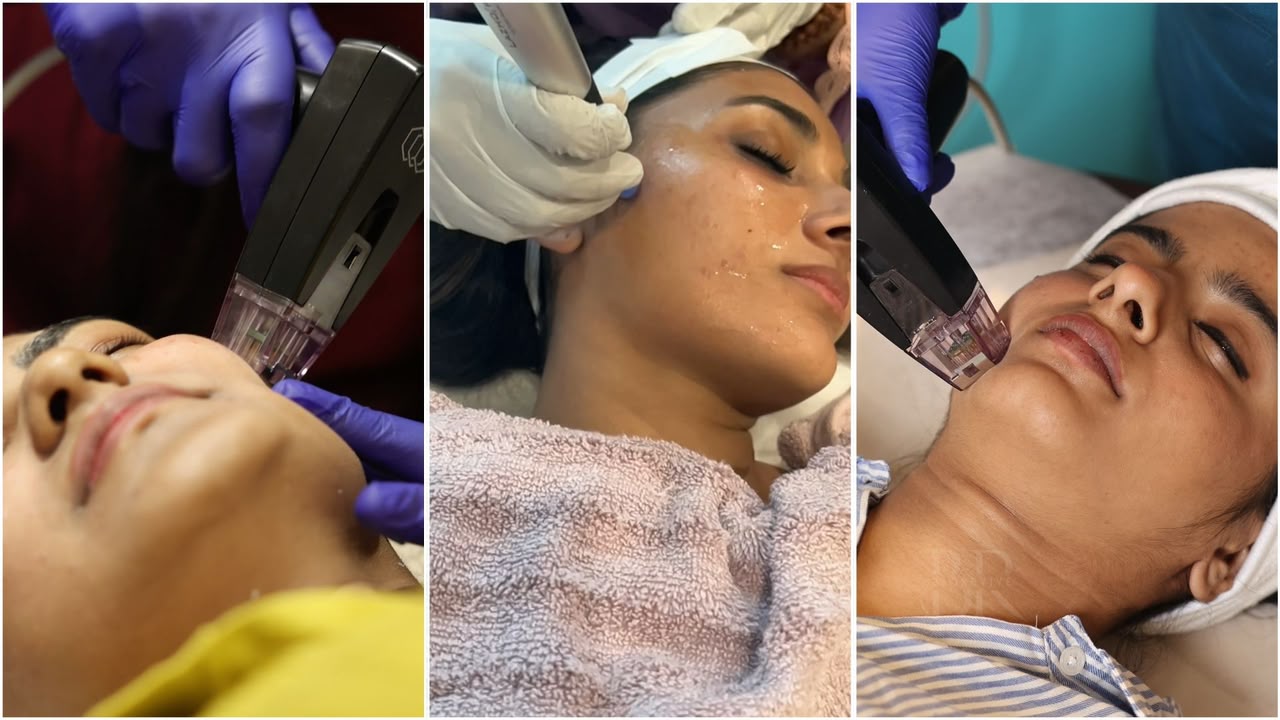
Conventional microneedling is a minimally invasive procedure that uses fine, sterile needles to create controlled micro-injuries in the skin. This activates the body's wound-healing response, which can encourage collagen and elastin remodelling over time.

‍

Collagen provides structural support to the skin. When acne damages deeper skin tissue, healing can leave depressions or uneven areas. Microneedling aims to improve the appearance of selected scars by stimulating the skin's repair process.

‍

Depending on the device and treatment plan, conventional microneedling may be considered for:

‍

  • Selected depressed acne scars.
  • Uneven skin texture.
  • The appearance of enlarged pores.
  • Certain fine lines and textural irregularities.

‍

The treatment does not use radiofrequency energy. Its primary mechanism is controlled mechanical stimulation, and the degree of improvement depends on scar type, severity and individual response.

‍

What Is RF Microneedling?

‍
RF microneedling combines needle-based treatment with radiofrequency energy. Specialised needles enter the skin and deliver controlled heat at selected depths, depending on the device and its settings.

‍

This combination of mechanical stimulation and thermal energy aims to encourage collagen remodelling in targeted tissue. RF microneedling may be considered for selected depressed acne scars, uneven texture, fine lines and certain mild skin-laxity concerns.

‍

However, it is not simply a stronger version of conventional microneedling. The two procedures have different mechanisms and safety considerations. Higher energy does not automatically produce better results, and the device settings must be appropriate for the individual.
‍

Microneedling vs RF Microneedling: Key Differences

‍

Feature Conventional microneedling RF microneedling
Main mechanism Controlled mechanical micro-injuries Mechanical stimulation plus radiofrequency energy
Heat delivery No RF energy Delivers controlled heat into targeted tissue
Treatment depth Depends on device and protocol Depends on needle depth and RF settings
Acne scars May improve selected depressed scars May improve selected depressed scars
Skin rejuvenation May improve texture and some fine lines May address texture and selected mild laxity concerns
Recovery Temporary redness and sensitivity are common Redness, swelling, tenderness or treatment marks may occur
Risks Infection, irritation, pigmentation changes and scarring Similar risks, with additional energy-related complications possible

‍

Neither treatment is automatically superior for everyone. The appropriate choice depends on your scar type, skin condition, medical history, treatment goals and tolerance for recovery time.

‍

Not sure which treatment may suit your acne scars? Contact BioRevive to enquire about consultation availability and the skin treatments currently offered. Confirm that the specific procedure you are considering is available before booking.

‍

Which Treatment Is Better for Different Types of Acne Scars?

‍

Acne scars vary in shape, depth and structure. Identifying the type of scar is an important part of choosing an appropriate treatment.

‍

1. Rolling Scars

‍

Rolling scars are broad, shallow depressions that create a wavy appearance. Some are associated with fibrous bands pulling the skin downwards.
Conventional or RF microneedling may improve the appearance of selected rolling scars. However, when deeper fibrous bands are responsible for the depression, a dermatologist may consider subcision or a combination of treatments.

‍

2. Boxcar Scars

‍

Boxcar scars have wider depressions with clearly defined edges. They can be shallow or deep.

‍

Both microneedling approaches may help improve selected boxcar scars, but deeper scars can be more difficult to treat. A dermatologist may recommend a combination approach depending on the scar's depth and characteristics.

‍

3. Ice-Pick Scars

‍

Ice-pick scars are narrow, deep depressions that extend into the skin. Their depth makes them particularly challenging to treat.

‍

Neither conventional nor RF microneedling should be expected to remove these scars completely. Targeted procedures or a combination of treatments may be more appropriate in selected cases.

‍

The important takeaway: A treatment that improves one type of acne scar may offer limited improvement for another. The best starting point is an assessment of your actual scar pattern rather than choosing a procedure based on popularity.

‍

What Does Scientific Research Say?

‍

Research suggests that RF microneedling can improve selected acne scars, but the available evidence does not establish it as universally better than conventional microneedling.

‍

A systematic review by Niaz and colleagues, published on 3 January 2025 in Clinical, Cosmetic and Investigational Dermatology, evaluated fractional radiofrequency microneedling as a standalone treatment for facial acne scarring. The review included 16 studies involving 481 participants, including six randomised clinical trials. The authors concluded that RF microneedling was likely to be effective for acne scarring but highlighted the need for further randomised controlled trials to establish appropriate treatment parameters.

‍

Read the full systematic review on PubMed.

‍

This review supports the potential usefulness of RF microneedling, but it does not prove that RF microneedling produces better results than conventional microneedling. The review examined RF microneedling as a standalone treatment and included studies with different designs and protocols.

‍

The American Academy of Dermatology also discusses microneedling as an option for improving the appearance of scars and other skin concerns. Results and suitability vary, and a qualified professional should help determine the appropriate procedure.

‍

Read the American Academy of Dermatology's microneedling guidance.

‍

There are still limitations to consider. Studies may use different devices, needle depths, energy settings and methods of measuring improvement. Results from one device or patient group cannot automatically be applied to every treatment setting.

‍

For patients, this means that the decision should be based on the type of scars, available evidence, safety considerations and professional assessment rather than claims that one treatment is always the best.

‍

Benefits and Limitations of Each Treatment

‍

Conventional Microneedling

‍

Conventional microneedling may be suitable when the primary goal is improving selected acne scars and uneven texture.

‍

Potential advantages include:

‍

  • It stimulates the skin's natural repair response without RF energy.
  • It may improve the appearance of selected depressed scars.
  • It can be considered for certain other textural concerns.

‍

However, improvement is gradual and may require multiple sessions. Deep scars and tethered depressions may need a different or combined approach. Results cannot be guaranteed.

‍

RF Microneedling

‍

RF microneedling adds controlled heat to the mechanical action of needles. This may make it an option for selected patients whose concerns include acne scarring and certain other textural changes.

‍

Potential advantages include:

‍

  • Controlled delivery of radiofrequency energy into targeted tissue.
  • Potential improvement in selected atrophic acne scars.
  • Possible improvement in some skin texture and mild laxity concerns.

‍

The additional energy delivery also introduces specific risks. Appropriate device selection, treatment settings and practitioner training are essential. RF microneedling should not be treated as a risk-free upgrade to conventional microneedling.

‍

Risks and Safety: What Should You Know?

‍

Both procedures can cause temporary redness, tenderness, swelling and sensitivity. Pinpoint bleeding may occur with conventional microneedling, while RF microneedling may also cause treatment marks and more noticeable swelling.

‍

Potential complications include infection, burns, scarring and changes in pigmentation. The risk can increase if the treatment is unsuitable for the patient's skin or the device is used incorrectly.

‍

On 15 October 2025, the US Food and Drug Administration (FDA) issued a safety communication about certain uses of RF microneedling devices. It reported serious complications, including burns, scarring, unwanted fat loss, disfigurement and nerve damage.

‍

This warning does not mean that every RF microneedling procedure causes these complications. It does reinforce the importance of proper patient selection, qualified practitioners, appropriate devices and careful treatment planning.

‍

Read the FDA's safety communication.

‍

Treatment may need to be postponed if you have an active skin infection, inflamed acne lesions or damaged skin in the treatment area. A history of abnormal scarring, certain medical conditions and some medications may also affect suitability.

‍

Before proceeding, ask about potential side effects, expected recovery, alternatives and the aftercare you will need. Seek medical advice promptly if you develop severe or worsening pain, spreading redness, significant swelling, pus or fever after treatment.

‍

How Much Does Treatment Cost, and How Many Sessions Are Needed?

‍

The cost of conventional microneedling and RF microneedling can vary according to the device, treatment area, severity of scarring, practitioner's expertise and number of sessions recommended.

‍

RF microneedling may have a different price from conventional microneedling because the technology and treatment protocols differ. However, the more expensive option is not automatically the more effective choice for your skin.

‍

There is no single session count that applies to everyone. Your treatment plan may depend on:

‍

  • The type, depth and extent of your acne scars.
  • The device and treatment protocol.
  • Your skin's response and recovery.
  • Whether other treatments are needed as part of a combined approach.

‍

During a consultation, ask for the estimated total cost, likely number of sessions, time between sessions and any additional expenses. The clinic should provide current pricing and explain the basis for its recommendation rather than promising a fixed result.

‍

How to Choose the Right Treatment in Chennai

‍

If you are researching Microneedling vs RF Microneedling for Acne Scars and Skin Rejuvenation in Chennai, understanding the available treatment options is important before choosing a procedure.

‍

Conventional microneedling and RF microneedling use different treatment mechanisms. While both aim to stimulate collagen remodelling, RF microneedling additionally delivers controlled radiofrequency energy into targeted tissue.

‍

The appropriate option depends on whether your primary concern is depressed acne scars, uneven skin texture, enlarged pores or mild skin laxity.

‍

Choose a qualified practitioner or appropriately supervised medical clinic that assesses your skin before recommending a procedure.

‍

During your consultation, consider asking:

‍

  • What type of acne scars do I have?
  • Would conventional microneedling or RF microneedling be suitable for my skin?
  • What improvement is realistic for my scars?
  • What are the potential risks for my skin type?
  • Which device will be used, and who will perform the procedure?
  • How many sessions might I need, and what will recovery involve?
  • What alternatives are available if microneedling is unlikely to address my scars adequately?
  • What is the estimated total cost, including follow-up appointments?

‍

Look for a provider who explains the benefits and limitations clearly, discusses alternatives and allows you time to make an informed decision.

‍

At BioRevive, you can contact the clinic to enquire about consultation availability and the skin treatments currently offered. Please confirm the availability of the specific procedure before booking.

‍

Related Treatments

‍

Hydrafacial

‍

Mesojet

‍

Pollogen

‍

Hollywood Spectra

‍

Frequently Asked Questions

‍

Is RF microneedling better than conventional microneedling for acne scars?

‍

Not in every case. RF microneedling may be suitable for selected scars and skin concerns, while conventional microneedling may be appropriate for other patients. The choice depends on scar type, skin condition, treatment goals and clinical assessment.

‍

How many sessions are needed?

‍

There is no universal number of sessions for either procedure. The recommended course depends on scar severity, the device used, treatment settings and the skin's response. Your provider should explain the expected schedule before you begin.

‍

Is microneedling suitable for active acne?

‍

Not necessarily. Painful, infected or deeply inflamed acne lesions may make treatment unsuitable until the condition has been assessed and controlled. Managing active acne and preventing new breakouts may need to come before scar-focused procedures.

‍

Is there downtime after treatment?

‍

Both treatments can cause temporary redness and sensitivity. RF microneedling may also cause swelling and other treatment marks. Recovery varies by device, treatment intensity and individual skin response, so follow the specific aftercare instructions provided.

‍

Can these treatments completely remove acne scars?

‍

No treatment can guarantee complete scar removal. Microneedling and RF microneedling may make selected scars less noticeable, but the degree of improvement varies. Deep or tethered scars may require a combination of procedures.

‍

Conclusion: Which Treatment Should You Choose?

‍

So, which is better for acne scars — conventional microneedling or RF microneedling? The honest answer is that it depends on your skin.

‍

Conventional microneedling may suit selected textural concerns, while RF microneedling adds radiofrequency energy and may be considered for particular acne scars and skin-rejuvenation goals. The evidence supports the potential benefits of RF microneedling, but it does not prove that it is the best option for everyone. Both treatments have limitations and potential risks.

‍

When comparing Microneedling vs RF Microneedling for Acne Scars and Skin Rejuvenation, start with a professional skin assessment rather than choosing a procedure based on trends or promises of dramatic results. Understanding your scar type, available alternatives, expected recovery and total cost will help you make a more confident decision.

‍

Not sure which treatment suits your acne scars? Book a skin consultation with BioRevive. Contact BioRevive to enquire about consultation availability and the treatments currently offered. Confirm the specific service before booking.

‍

Medical Disclaimer: This article is intended for general educational purposes only and is not a substitute for individual medical advice, diagnosis or treatment. Consult an appropriately qualified healthcare professional to determine which procedure, if any, is suitable for your skin.

‍

References
  1. Niaz G, Ajeebi Y, Alshamrani HM, Khalmurad M, Lee K. Fractional Radiofrequency Microneedling as a Monotherapy in Acne Scar Management: A Systematic Review of Current Evidence. Clinical, Cosmetic and Investigational Dermatology. 2025;18:19–29. Published 3 January 2025. DOI: 10.2147/CCID.S502295. PubMed.
  2. American Academy of Dermatology. Microneedling can fade scars, uneven skin tone, and more. Clinical guidance.
  3. US Food and Drug Administration. Potential Risks with Certain Uses of Radiofrequency (RF) Microneedling. Safety communication, 15 October 2025. FDA.
‍

Read More

Emslim Treatment: Build Muscle and Burn Fat Without Surgery

November 11, 2026
Read More
microneedling in chennai

Microneedling vs RF Microneedling: Which Treatment Is Better for Acne Scars and Skin Rejuvenation?

November 2, 2026
Read More