Medically Reviewed By: Dr Aishwarya Selvaraj, MBBS, Clinical Dermatology (Ireland), Aesthetic Practitioner

‍

Last Medically Reviewed: September 2026

‍

About the Medical Reviewer

‍

Dr Aishwarya Selvaraj is identified by BioRevive as the Founder and Managing Director of BioRevive by Skin Envy. She has more than 12 years of experience in aesthetic medicine, skin care and wellness.

‍

Medical Disclaimer

‍

This article is intended for general educational purposes only and should not be considered a substitute for individual medical advice, diagnosis or treatment. Consult an appropriately qualified healthcare professional to discuss your concerns, medical history and suitability for any aesthetic procedure.

‍

Introduction

‍

Hair thinning, excessive shedding and a widening parting can affect confidence and quality of life. Hair loss can develop for several reasons, including genetics, hormonal changes, nutritional deficiencies, certain medications and scalp conditions. Identifying the underlying cause is essential before choosing a treatment.

‍

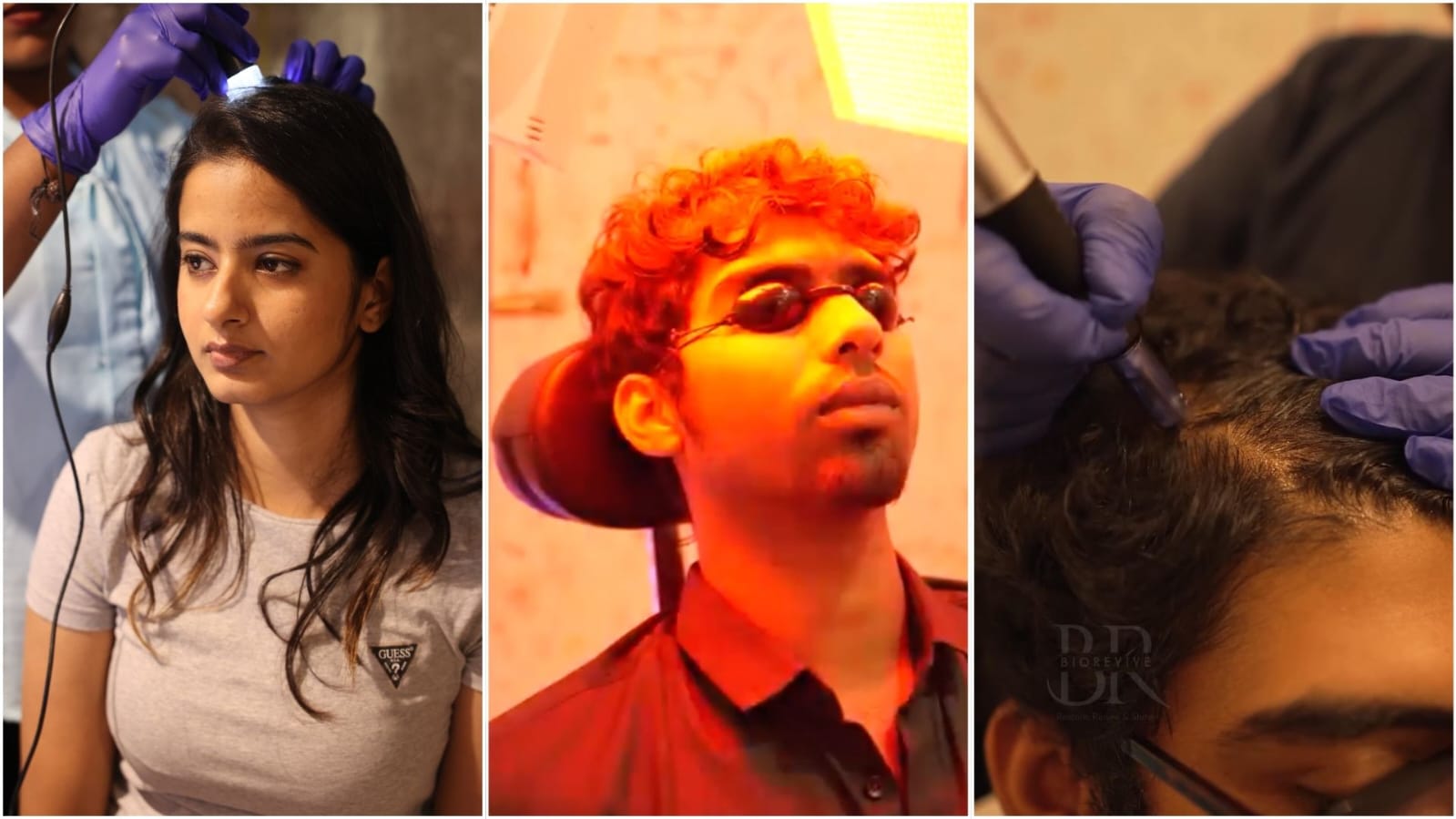
Microneedling for hair growth and Scalp Hair Regrowth has gained attention as a potential option for people experiencing certain types of hair loss, particularly androgenetic alopecia, commonly known as pattern hair loss. The procedure uses fine needles to create controlled micro-injuries in the scalp, triggering a local wound-healing response. Researchers are investigating whether this response can help improve hair density when microneedling is combined with established treatments.

‍

However, microneedling is not suitable for every form of hair loss, and its effectiveness varies between individuals. The evidence is more encouraging for microneedling used alongside selected medical treatments than for using a dermaroller independently.

‍

This guide explains how the procedure works, what clinical research has found, how professional treatments differ from home devices, and what to consider before seeking a scalp treatment.

‍

What Is Microneedling for Hair Growth?

‍

Microneedling is a minimally invasive procedure that uses fine needles to create controlled punctures in the skin. When performed on the scalp, it aims to stimulate the skin's natural repair response and may influence biological signalling pathways involved in hair follicle activity. This is why microneedling is being explored as an option for scalp hair regrowth in selected individuals.

‍

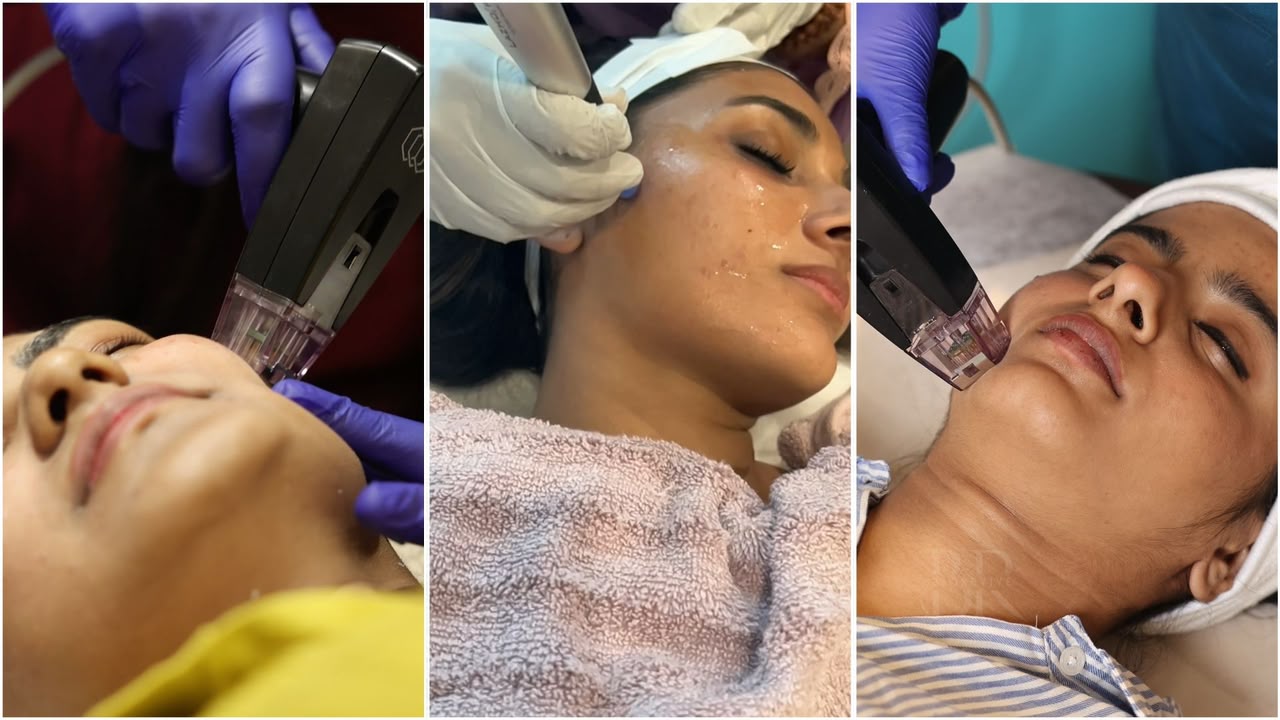
A dermaroller is one device used for microneedling. It contains a rolling head fitted with fine needles. Professional practitioners may also use automated microneedling pens, which allow more controlled application across the treatment area.

‍

Although these devices share a basic principle, they should not be considered interchangeable. Needle depth, technique, treatment frequency, hygiene and the condition being treated can influence safety and outcomes.

‍

Microneedling has mainly been investigated as an additional treatment for androgenetic alopecia. It should not be assumed to work equally well for temporary shedding, alopecia areata, inflammatory scalp disorders or scarring alopecia.

‍

A dermatologist can assess the pattern of hair loss and determine whether the treatment is appropriate.

‍

What Does Scientific Research Say?

‍

Research into microneedling for hair growth and scalp hair regrowth has produced promising findings, particularly when the procedure is combined with topical minoxidil for androgenetic alopecia. Nevertheless, the results need to be interpreted carefully because clinical studies differ in size, methodology and treatment protocols.

‍

A 2023 systematic review and meta-analysis by Abdi and colleagues examined randomised controlled trials comparing combined microneedling and topical minoxidil with treatment approaches used individually. The review included 10 trials involving 466 patients, with eight studies contributing to its meta-analysis. The authors reported a statistically significant improvement in total hair count with combination treatment. However, differences in the studies and their protocols mean the results should not be interpreted as a guarantee of similar improvement for every patient. Read the study on PubMed.

‍

A further systematic review and meta-analysis by Ahmed and colleagues, published in 2025, examined 12 randomised controlled trials involving 631 patients. The analysis found improved hair count with combined microneedling and minoxidil compared with minoxidil alone. However, the hair-count analysis showed substantial heterogeneity, meaning the study results varied considerably. The researchers also reported more adverse events in the combination groups, although these were generally described as mild or self-limiting. Read the 2025 study.

‍

An earlier systematic review by English and colleagues, published in 2022, examined 22 clinical studies involving 1,127 participants. It found generally favourable results when microneedling was used as an adjunct treatment, but highlighted limitations in study quality and substantial differences in devices, needle depths, treatment frequency and comparison groups. Read the systematic review.

‍

What Do These Findings Mean for Patients?

‍

The research suggests that professional microneedling may be worth discussing as an additional option for selected patients with pattern hair loss. However, several limitations remain:

‍

  • Many studies have relatively small participant groups.
  • Treatment protocols and follow-up periods differ.
  • Results from combination treatment do not establish the effectiveness of microneedling alone.
  • Evidence for one type of hair loss cannot automatically be applied to other conditions.
  • The optimal needle depth, treatment frequency and duration remain uncertain.

‍

For these reasons, microneedling should be considered within an individualised treatment plan rather than as a guaranteed hair-regrowth procedure.

‍

How Does a Dermaroller Work on the Scalp?

‍

1. Stimulating the Skin's Healing Response

‍

The small punctures created by microneedling initiate a local wound-healing response. This involves biological signalling processes that researchers are investigating for their possible role in hair follicle activity.

‍

The precise mechanisms behind any potential hair-growth effect are not fully established. It is therefore important to distinguish proposed biological explanations from proven clinical outcomes.

‍

2. Supporting Existing Hair Follicles

‍

In androgenetic alopecia, susceptible hair follicles gradually become smaller and produce finer hairs. Some follicles may continue to produce hair even as density decreases.

‍

Microneedling may help improve hair parameters in selected patients, particularly when used alongside established treatment. However, it cannot reliably restore follicles that have been permanently destroyed by scarring.

‍

3. Supporting Combination Treatment

‍

One of the main areas of research is the use of microneedling alongside topical minoxidil. Minoxidil is an established treatment for certain types of hair loss, and a clinician may consider whether adding microneedling is appropriate for an individual patient.

‍

Minoxidil should not automatically be applied immediately after microneedling. The procedure can temporarily disrupt the skin barrier and may increase irritation or absorption of topical products. Follow the treating clinician's instructions about when to resume medication.

‍

Who May Benefit from Scalp Microneedling?

‍

Suitability depends on the diagnosis, scalp condition, medical history and treatment goals.

‍

Androgenetic Alopecia

‍

Androgenetic alopecia is a common form of hair loss affecting men and women. It is associated with genetic susceptibility and gradual follicle miniaturisation.

‍

For selected patients, a dermatologist may consider microneedling as an adjunct to established treatments. It should not automatically replace prescribed medication.

‍

Early Hair Thinning

‍

People who notice gradual thinning may benefit from early assessment. A consultation can help distinguish pattern hair loss from temporary shedding, breakage or another scalp condition.

‍

Early assessment does not mean microneedling is always necessary. The appropriate treatment depends on the cause.

‍

Hair Loss That Needs a Different Approach

‍

Sudden shedding, patchy hair loss, scalp pain or rapid progression may require further investigation.

‍

For example, telogen effluvium can follow illness, childbirth, major stress or nutritional deficiencies. Treating the underlying trigger may be more important than performing a cosmetic procedure.

‍

Inflammatory and scarring forms of alopecia also require careful medical evaluation because delayed treatment can lead to permanent follicle damage.

‍

Potential Benefits and Limitations

‍

Potential benefits of microneedling, when used appropriately, include:

‍

  • A minimally invasive approach that does not require hair-transplant surgery.
  • Possible improvement in hair count when combined with selected treatments.
  • A targeted procedure that can be planned around the affected scalp areas.
  • Opportunities for clinical monitoring and adjustment of the treatment plan.

‍

However, microneedling cannot guarantee regrowth, permanently stop genetic hair loss or replace all other hair-loss treatments. Outcomes depend on the diagnosis and individual response.

‍

Professional Microneedling vs Home Dermarollers

‍

Home dermarollers are widely available, but using a needle-based device on the scalp without professional guidance can cause problems.

‍

Feature Professional microneedling Home dermaroller
Assessment Can follow a clinical diagnosis Often used without identifying the cause of hair loss
Device and technique Selected according to the treatment plan Device, pressure and technique may be unsuitable
Hygiene Professional infection-control measures should be followed Cleaning and storage errors may increase contamination risk
Monitoring The scalp can be assessed between sessions Complications may go unnoticed
Suitability A clinician can identify reasons to avoid treatment Contraindications may be overlooked

‍

Incorrect use can cause irritation, bleeding, infection and scarring. Avoid sharing devices or using them on an inflamed, infected or damaged scalp.

‍

Professional assessment is particularly important when hair loss is unexplained or accompanied by redness, scaling, pain or patchy bald areas.

‍

Advanced Scalp Treatments for Hair Thinning

‍

Microneedling is one of several approaches that may be considered for hair loss. The most appropriate option depends on the diagnosis and available evidence.

‍

Medical Treatment

‍

A dermatologist may recommend established treatments such as topical minoxidil or other prescription options when appropriate. Suitability depends on the patient's age, medical history, pattern of hair loss and other individual considerations.

‍

Platelet-Rich Plasma (PRP)

‍

PRP involves processing a sample of the patient's blood to prepare a platelet-rich product, which is then injected into selected areas of the scalp. Some studies report improvements in hair density, but preparation methods, protocols and results vary.

‍

Growth Factor Concentrate (GFC)

‍

GFC is offered by some clinics as a treatment prepared from a patient's blood. Products and processing methods may differ, and evidence regarding specific protocols and long-term outcomes remains developing.

‍

Patients should ask about the evidence supporting the particular treatment offered, its risks and realistic expectations.

‍

Low-Level Light or Laser Therapy

‍

Certain light-based devices are used for selected types of pattern hair loss. Evidence varies by device and protocol, so a dermatologist can help assess whether this option is suitable.

‍

Hair Transplantation

‍

Hair transplantation may be appropriate for selected patients with suitable donor hair. It is a surgical procedure requiring careful assessment, discussion of limitations and consideration of future hair loss.

‍

These options are not interchangeable. A consultation should explain which treatments are appropriate for the diagnosed condition and why.

‍

Risks and Side Effects

‍

Microneedling intentionally creates small injuries in the skin, so temporary redness, tenderness, mild swelling, pinpoint bleeding or sensitivity can occur.

‍

Potential complications include infection, prolonged inflammation, pigmentation changes and scarring. The risk may increase when devices are used incorrectly or when an existing scalp condition is not recognised.

‍

Microneedling may not be appropriate for people with active scalp infections, open wounds, certain inflammatory conditions, impaired wound healing or a history of abnormal scarring. Some medications and medical conditions may also require additional precautions.

‍

Do not stop prescribed medication without speaking to the prescribing clinician. Seek medical attention if you experience worsening pain, spreading redness, significant swelling, pus or fever after a procedure.

‍

What Happens During a Professional Consultation?

‍

A professional consultation should focus on diagnosis before treatment.

‍

Step 1: Review of Hair-Loss History

‍

The clinician may ask when the hair loss started, whether it developed gradually or suddenly, whether shedding is widespread or patchy, and whether there is a family history of hair loss.

‍

Step 2: Scalp and Hair Assessment

‍

The scalp and hair may be examined to identify patterns of thinning, inflammation, scaling or scarring. Blood tests or other investigations may be recommended if the history suggests nutritional, hormonal or medical causes.

‍

The American Academy of Dermatology explains that effective hair-loss treatment begins with identifying the cause and that some patients may need blood tests or a scalp biopsy. Read its hair-loss diagnosis guidance.

‍

Step 3: Discussion of Treatment Options

‍

The clinician should explain the likely benefits, risks, alternatives, expected costs and how progress will be assessed. If microneedling is considered, ask whether it will be used alone or alongside another treatment.

‍

Step 4: Personalised Aftercare and Follow-Up

‍

Aftercare instructions should explain when to wash the scalp, when to resume topical products and which symptoms require medical advice. The treatment plan should be reviewed if the scalp reacts unexpectedly or hair loss continues to worsen.

‍

Considering a Hair-Loss Consultation in Chennai

‍

If you are seeking hair-loss advice in Chennai, choose a qualified dermatologist or an appropriately supervised medical clinic that assesses the cause of thinning before recommending procedures. If you are exploring microneedling for hair growth and scalp hair regrowth, a professional assessment can help establish whether this approach is suitable for your type of hair loss.

‍

During your appointment, consider asking:

‍

  • What is the likely cause of my hair loss?
  • Is microneedling appropriate for my specific diagnosis?
  • What evidence supports the proposed treatment?
  • Which device and protocol will be used?
  • What are the risks and alternatives?
  • How will progress be measured, and when will the plan be reviewed?
  • What is the full cost, including follow-up appointments?

‍

Avoid choosing a treatment solely because it is described as advanced or promising. A clear diagnosis and an evidence-informed plan are more important than the name of the procedure.

‍

If you would like to discuss your concerns with BioRevive, you can contact the clinic to enquire about consultation availability and the hair-loss services currently offered. Confirm that the clinic provides the specific procedure you are considering before booking.

‍

Related Treatments

‍

Mesojet Hair

‍

Dermapen-4

‍

QR678

‍

Scalp Micropigmentation (SMP)

‍

Frequently Asked Questions

‍

Can microneedling regrow hair?

‍

It may improve hair density in some patients with androgenetic alopecia, particularly when combined with appropriate medical treatment. Results vary, and it is not effective for every cause of hair loss.

‍

Is a dermaroller safe to use at home?

‍

Home use carries risks, including skin injury, infection and scarring. Seek professional advice before using a needle-based device on the scalp.

‍

Is microneedling better than PRP or GFC?

‍

There is no universally best treatment for everyone. The appropriate choice depends on the diagnosis, evidence, medical history, costs and individual goals.

‍

How often should microneedling be performed?

‍

There is no universally established schedule suitable for every patient. Research has used different needle depths, devices and session intervals. A qualified clinician should determine the protocol rather than relying on a generic online schedule.

‍

Can microneedling permanently stop hair loss?

‍

No. It cannot guarantee permanent prevention of hair loss. Genetic hair loss may continue to progress and may require ongoing management.

‍

Conclusion

‍

Microneedling is a developing area of hair restoration, with research suggesting possible benefits for selected patients with pattern hair loss, especially when it is combined with established treatments. However, variations in clinical studies mean the evidence does not establish one universally effective protocol.

‍

Microneedling for Hair Growth and Scalp Hair Regrowth should be considered only after assessing the cause of hair loss, scalp health and treatment options. Professional guidance can help determine whether microneedling, medication, PRP, GFC or another approach is appropriate.

‍

If you are concerned about hair thinning, consider arranging a consultation with a qualified dermatologist. The next step should be a clear diagnosis and an informed discussion of treatment options, benefits, risks and realistic expectations.

‍

References
‍
  1. Abdi P, Awad C, Anthony MR, et al. Efficacy and safety of combinational therapy using topical minoxidil and microneedling for the treatment of androgenetic alopecia: a systematic review and meta-analysis. Archives of Dermatological Research. 2023;315:2775–2785. PubMed.
  2. Ahmed KMA, Kozaa YA, Abuawwad MT, et al. Evaluating the efficacy and safety of combined microneedling therapy versus topical Minoxidil in androgenetic alopecia: a systematic review and meta-analysis. Archives of Dermatological Research. 2025. PubMed.
  3. English RS Jr, Ruiz S, DoAmaral P. Microneedling and Its Use in Hair Loss Disorders: A Systematic Review. Dermatology and Therapy. 2022;12:41–60. PubMed.
  4. American Academy of Dermatology. Hair loss: Diagnosis and treatment. Clinical guidance.
‍

Read More

Emslim Treatment: Build Muscle and Burn Fat Without Surgery

November 11, 2026
Read More
microneedling in chennai

Microneedling vs RF Microneedling: Which Treatment Is Better for Acne Scars and Skin Rejuvenation?

November 2, 2026
Read More