Written by: BioRevive Editorial Team

‍

Medically reviewed by: Dr Aishwarya Selvaraj, MBBS, Clinical Dermatology (Ireland), Aesthetic Practitioner

‍

Last Medically Reviewed: September 2026
About the Medical Reviewer: Dr Aishwarya Selvaraj is identified by the clinic as the founder and managing director of BioRevive by Skin Envy, with more than 12 years of experience in aesthetic medicine and skin and wellness care.

‍

Medical Disclaimer: This article provides general educational information and is not a substitute for individual medical advice, diagnosis or treatment. Consult an appropriately qualified healthcare professional to discuss your concerns, medical history and suitability for any aesthetic procedure.

‍

Introduction

‍

Skin gradually loses firmness as collagen and elastin change with age. Sun exposure, genetics, weight fluctuations and other environmental factors can also contribute to reduced elasticity, fine lines, a less defined jawline and sagging around the cheeks, neck or lower face.

‍

Although surgery may be appropriate for significant skin laxity, many people prefer non-surgical approaches that aim to improve firmness and skin texture with less downtime. Options include High-Intensity Focused Ultrasound (HIFU), radiofrequency treatments such as Forma, radiofrequency microneedling with Morpheus8, Dermapen-4, DermaFrac and thread lifts. Each works differently and is suitable for different concerns.

‍

The Best Non-Surgical Skin Tightening Treatments for Sagging Skin depend on the degree of skin laxity, the area being treated, skin type, medical history and expectations. A treatment that helps mild facial laxity may not provide the same benefit for substantial loose skin after significant weight loss.

‍

Understanding how each procedure works, what the available evidence suggests and what results are realistic can help you make an informed decision before booking a consultation.

‍

What Causes Skin to Become Loose?

‍

Collagen provides structural support to the skin, while elastin contributes to its ability to stretch and return to its original shape. Over time, changes in these proteins can reduce firmness.

‍

Common contributing factors include:

‍

  • Ageing: Collagen production and skin elasticity change naturally over time.
  • Sun exposure: Ultraviolet radiation contributes to premature skin ageing and collagen damage.
  • Genetics: Inherited characteristics influence skin structure and how ageing develops.
  • Weight changes: Significant weight loss can leave excess skin that may not fully retract.
  • Lifestyle factors: Smoking and inadequate sun protection can affect skin health.
  • Natural facial volume changes: Changes in underlying fat and tissue support can make sagging more noticeable.

‍

Not every concern described as loose skin is caused by the same process. Fine lines, skin texture, loss of facial volume and deeper tissue laxity may require different approaches.

‍

Best Skin Tightening Treatments in Chennai Without Surgery: Which Options Are Available?
‍

Non-surgical skin tightening includes energy-based treatments and collagen-stimulating procedures. Some options, including thread lifts and radiofrequency microneedling, are minimally invasive rather than completely non-invasive.

‍

The following treatments may be considered for selected individuals. Suitability depends on the procedure, the device used and an assessment by an appropriately qualified practitioner.

‍

1. HIFU Skin Tightening Treatment

‍

High-Intensity Focused Ultrasound, or HIFU, delivers focused ultrasound energy to selected tissue depths beneath the skin. The controlled heating is intended to stimulate tissue remodelling and collagen production.

‍

A systematic review of microfocused ultrasound studies found evidence of improvement in facial skin laxity in selected patients, particularly those with mild to moderate laxity. However, the studies used different devices and protocols, so the findings should not be interpreted as a guarantee of results from every HIFU treatment.

‍

Potential benefits

‍

  • May improve the appearance of mild skin laxity.
  • Can support gradual changes in facial firmness and contour.
  • Does not require surgical incisions.

‍

What to consider

‍

Results are not immediate or guaranteed. Improvement may develop over several weeks or months, and the degree of change varies. Ultrasound devices differ in their intended uses and treatment depths, so the device and the practitioner's training matter.

‍

HIFU is not a substitute for surgery when there is substantial excess skin. Discuss possible discomfort, burns, nerve-related effects and other risks with the treating professional.

‍

Evidence: Systematic review of microfocused ultrasound for facial skin tightening.

‍

Explore HIFU Skin Tightening Treatment at BioRevive.

‍

2. Forma Radiofrequency Skin Tightening

‍

Forma is a radiofrequency-based treatment that applies controlled heat to the skin. Radiofrequency energy heats tissue and may stimulate collagen remodelling, potentially improving the appearance of skin firmness.

‍

A systematic review of radiofrequency treatments for facial and neck rejuvenation reported improvements in selected measures of skin laxity, elasticity and facial appearance. However, results across devices and protocols vary. Evidence about radiofrequency as a treatment category should not be taken as proof that every device, including Forma, produces the same outcomes.

‍

Forma may be considered for people seeking subtle improvement in skin texture and mild laxity, particularly when they prefer a treatment without needles.

‍

Potential benefits

‍

  • Uses a non-surgical treatment approach.
  • May support gradual improvements in skin firmness.
  • Often involves limited downtime, although temporary redness or sensitivity may occur.

‍

What to consider

‍

The number of sessions depends on the device, treatment area and individual goals. A series of treatments may be recommended rather than a single session. Results are generally more subtle than those achieved through surgery, and maintenance may be discussed.

‍

Radiofrequency treatments should be selected according to the individual's skin condition and medical history. Inform the practitioner about implanted electronic devices, metal implants in the treatment area, recent procedures and any active skin concerns.

‍

Evidence: Systematic review of radiofrequency for facial and neck rejuvenation.

‍

Explore Forma and other facial rejuvenation treatments at BioRevive.

‍

3. Morpheus8 Radiofrequency Microneedling

‍

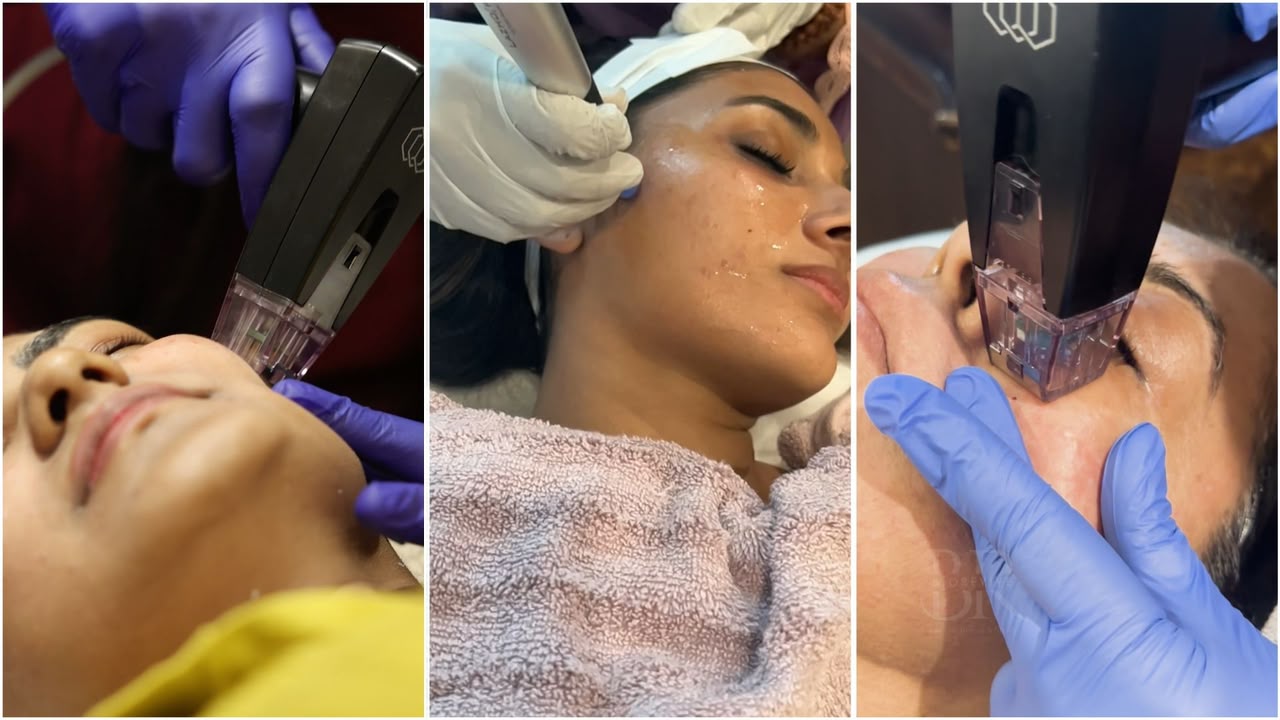
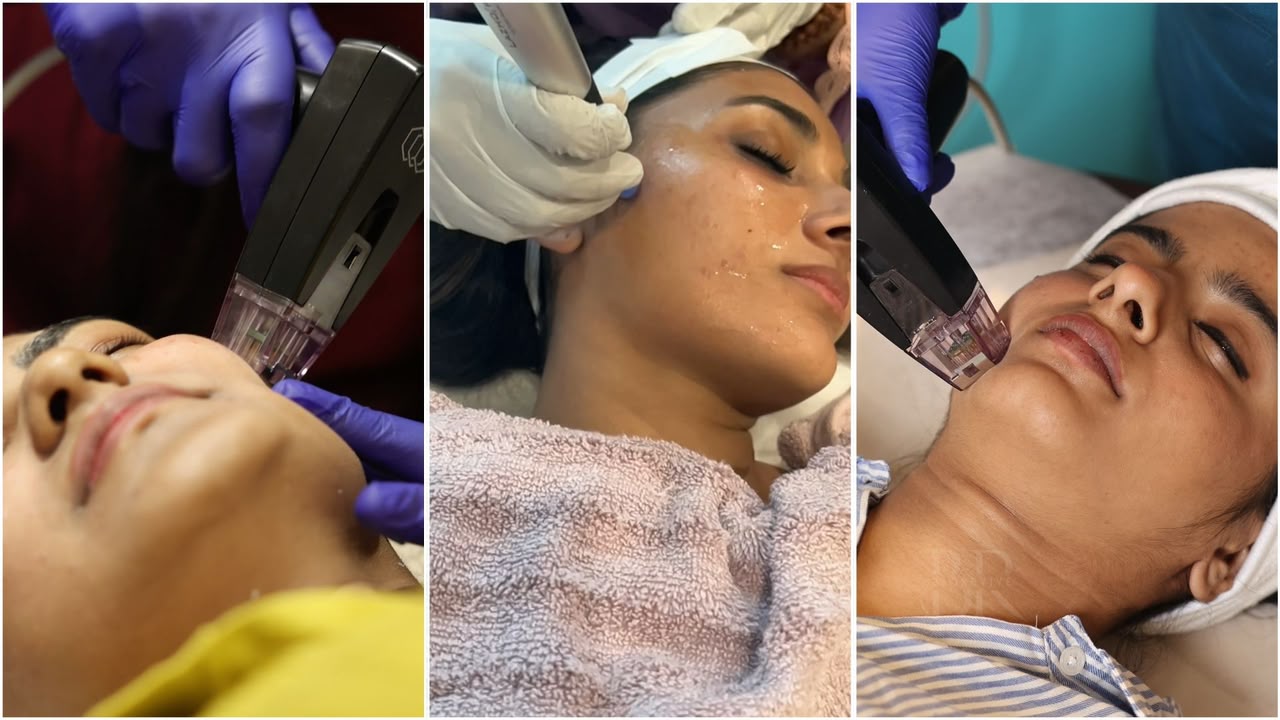
Morpheus8 combines microneedling with radiofrequency energy. Fine needles enter the skin at controlled depths while delivering energy into targeted tissue. This process is intended to support collagen remodelling and improve selected concerns involving skin texture, fine lines and mild laxity.

‍

It may be considered when skin tightening is one of several goals, particularly if the person also has acne scarring, enlarged pores or uneven texture.

‍

Potential benefits

‍

  • May improve skin texture and the appearance of certain scars.
  • Can support collagen remodelling in selected treatment areas.
  • May address more than one skin concern in an appropriately selected patient.

‍

What to consider

‍

Morpheus8 is minimally invasive rather than completely non-invasive. Temporary redness, swelling, tenderness and pinpoint marks may occur, and recovery varies.

‍

The US Food and Drug Administration (FDA) has warned that serious complications have been reported with certain uses of radiofrequency microneedling devices. These include burns, scarring, unwanted fat loss, disfigurement and nerve damage. This warning concerns the use of radiofrequency microneedling devices and should be discussed with the treating professional before proceeding.

‍

Treatment settings must be chosen carefully for the area and skin type. Ask about the device, expected recovery, risks of pigmentation changes and the practitioner's experience.

‍

Safety reference: FDA safety communication on radiofrequency microneedling.

‍

Learn more about Morpheus8 treatment at BioRevive.

‍

4. Dermapen-4 Microneedling

‍

Dermapen-4 uses fine needles to create controlled micro-injuries in the skin. The healing response may stimulate collagen production and improve the appearance of certain textural concerns.

‍

It is often considered for uneven texture, fine lines, enlarged pores and some acne scars. Its role in tightening is generally more relevant to mild concerns and overall skin quality than to substantial sagging.

‍

Potential benefits

‍

  • May improve skin texture and the appearance of fine lines.
  • May support collagen remodelling.
  • Can be included in a broader skin-rejuvenation plan when appropriate.

‍

What to consider

‍

Microneedling does not remove excess skin or provide the same lifting effect as a procedure targeting deeper tissue support. Temporary redness, sensitivity and pinpoint bleeding may occur. Infection, scarring or pigment changes are possible if the procedure is unsuitable or performed incorrectly.

‍

The FDA also notes that microneedling devices have specific risks and uses. Their suitability for a particular person should be assessed by a trained healthcare professional.

‍

Safety reference: FDA information about microneedling devices.

‍

5. DermaFrac Skin Rejuvenation

‍

DermaFrac combines microneedling with the delivery of selected topical formulations. BioRevive describes this treatment as an option for concerns such as skin texture, hydration, fine lines and uneven skin tone.

‍

The formulation used is an important part of the treatment plan. Different serums have different purposes, and evidence for one ingredient should not automatically be assumed to apply to every formulation or treatment protocol.

‍

Potential benefits

‍

  • May support improvements in skin texture and hydration.
  • Can be considered as part of a skin-rejuvenation plan.
  • May help address selected surface-level concerns.

‍

What to consider

‍

Independent clinical evidence specifically establishing the effectiveness of the DermaFrac-branded treatment for skin tightening is limited. It is therefore more appropriate to describe it as a skin-rejuvenation option than to promise a lifting effect.

‍

Ask which ingredients will be applied, why they have been selected, whether they are intended for use with the device and what evidence supports the proposed treatment. The FDA notes that microneedling devices have not been cleared for delivering cosmetics, topical medicines or other products into the skin; the intended use and regulatory status of the specific device and protocol should be clarified with the provider.

‍

Safety reference: FDA information about microneedling devices and product delivery.

‍

Explore DermaFrac treatment at BioRevive.

‍

6. Thread Lift Treatment

‍

A thread lift is a minimally invasive procedure in which specialised dissolvable threads are placed beneath the skin to support selected tissues. Depending on the technique and anatomy, the threads may provide some immediate lifting and may also trigger a local collagen response.

‍

Thread lifts may be considered for selected people with mild to moderate facial laxity who want improvement in areas such as the lower face or jawline without conventional surgery.

‍

Potential benefits

‍

  • May provide some immediate lifting in selected areas.
  • Can improve the appearance of facial contours in suitable patients.
  • Does not involve the larger incisions associated with a surgical facelift.

‍

What to consider

‍

A thread lift is not completely non-invasive: threads are inserted under the skin, and local anaesthesia or numbing may be required. Risks can include bruising, swelling, infection, thread visibility or palpability, asymmetry and dissatisfaction with the result. The effect is limited compared with surgery, and results vary.

‍

A consultation should cover the thread type, placement plan, possible complications, recovery instructions and realistic duration of benefit.

‍

Explore Thread Lift Treatment at BioRevive.

‍

Comparing Non-Surgical Skin Tightening Treatments

‍

Treatment Main approach May be considered for Important consideration
HIFU Focused ultrasound energy Selected cases of mild to moderate laxity Results develop gradually; device and treatment depth matter
Forma Radiofrequency heating Mild laxity and firmness concerns Evidence varies by device; multiple sessions may be recommended
Morpheus8 Microneedling with radiofrequency Texture, selected scars and mild laxity Involves needles, recovery time and specific risks
Dermapen-4 Microneedling Texture, fine lines and selected scars Not a substitute for lifting significant loose skin
DermaFrac Microneedling with serum delivery Texture, hydration and selected surface concerns Evidence for the branded protocol and tightening outcomes is limited
Thread lift Threads placed under the skin Selected cases of facial laxity Minimally invasive, with procedure-specific risks

‍

The Best Non-Surgical Skin Tightening Treatments for Sagging Skin should be chosen according to the concern being treated, not simply because a procedure is popular or marketed as advanced.

‍

How to Choose the Right Treatment for Your Skin

‍

The best starting point is to identify whether your main concern is mild laxity, deeper sagging, fine lines, rough texture or loss of facial volume. These concerns may look similar in photographs but require different approaches.

‍

During consultation, a qualified practitioner should:

‍

  1. Examine your skin and the area you want to treat.
  2. Review your medical history, current medicines, allergies and previous aesthetic procedures.
  3. Explain which treatment is suitable for your concern and why.
  4. Discuss alternatives, including when a non-surgical procedure is unlikely to achieve your goal.
  5. Explain the expected number of sessions, downtime, possible side effects and maintenance.
  6. Set realistic expectations about the amount and duration of improvement.

‍

When comparing clinics in Chennai, ask who will perform the procedure, what training they have with the device or technique, whether the equipment is appropriate for its intended use, and how complications are managed. Request a clear quotation that explains what is included rather than comparing prices alone.

‍

Choosing among the Best Non-Surgical Skin Tightening Treatments for Sagging Skin is easier when your treatment plan reflects your skin condition, realistic goals and professional assessment.

‍

What Results Can You Expect?

‍

Non-surgical skin tightening generally aims for gradual and often modest improvement. Some treatments may produce an early sensation of firmness, while collagen-related changes can take weeks or months to become apparent.

‍

Results depend on age, skin quality, the degree of laxity, treatment settings, the device used and individual healing. Some people may benefit from repeat sessions or maintenance, while others may see limited change.

‍

No non-surgical treatment can reliably remove large amounts of excess skin. If loose skin is substantial, a consultation may include discussion of surgical options or referral to an appropriately qualified specialist.

‍

Protecting the skin from ultraviolet exposure, following a suitable skincare routine and maintaining stable health habits can support overall skin health, but these measures do not replace treatment when significant laxity is present.

‍

Safety and Aftercare

‍

Before any procedure, disclose your medical conditions, allergies, medicines, supplements, pregnancy status where relevant, implanted devices and history of scarring or pigment changes.

‍

After treatment, follow the provider's instructions about cleansing, moisturising, sun protection, exercise, makeup and the use of active skincare ingredients. Do not resume irritating products or additional procedures until the practitioner advises that it is appropriate.

‍

Seek medical advice if you develop worsening pain, significant swelling, blistering, burns, unusual skin colour changes or signs of infection. For energy-based treatments, appropriate device selection, training and safety precautions are essential.

‍

The FDA's safety communication on radiofrequency microneedling specifically highlights reports of burns, scarring, fat loss, disfigurement and nerve damage associated with certain uses of these devices. Discuss these risks with a qualified healthcare professional before considering radiofrequency microneedling.

‍

Related Treatments

‍

Pumpkin Facial

‍

Botox

‍

Hydrafacial

‍

Mesojet

‍

Frequently Asked Questions

‍

Which treatment is best for mild skin laxity?

‍

HIFU or radiofrequency-based treatments may be considered for selected patients with mild laxity. The right option depends on the area, skin condition, device and treatment goals.

‍

Is non-surgical skin tightening painful?

‍

Comfort varies. Some people experience warmth, tingling or discomfort during energy-based procedures. Microneedling and thread lifts involve additional sensations because they penetrate the skin. Ask what pain-control measures and recovery to expect.

‍

How long do results last?

‍

There is no single duration for all treatments. Results vary with the procedure, skin laxity, ageing, lifestyle and maintenance plan. Ask the practitioner for realistic expectations based on the exact treatment being offered.

‍

Can these treatments replace a facelift?

‍

Not reliably for significant sagging or excess skin. Non-surgical and minimally invasive procedures generally provide more limited improvement than surgery.

‍

Are these treatments suitable for all skin types?

‍

No treatment is suitable for everyone. Skin tone, tendency to develop pigmentation, active skin conditions, medical history and device settings all influence suitability. An individual assessment is important.

‍

How many sessions will I need?

‍

This depends on the treatment. Some procedures may be performed in one session, while others involve a series of appointments or maintenance. Your practitioner should explain the proposed schedule and the reasons for it.

‍

Conclusion

‍

Choosing a skin-tightening procedure requires more than comparing treatment names. Understanding the cause of laxity, the depth of the concern, the expected improvement and the risks helps you select an approach that fits your needs.

‍

Available non-surgical skin tightening options in Chennai include HIFU, Forma and selected collagen-stimulating procedures. Morpheus8 and thread lifts are minimally invasive options with additional considerations, while DermaFrac is better discussed in the context of skin rejuvenation rather than as a proven lifting treatment. Each option has different evidence, recovery requirements and limitations.

‍

Exploring the Best Non-Surgical Skin Tightening Treatments for Sagging Skin with a qualified practitioner can help you understand the available options, discuss their limitations and develop a treatment plan based on your skin condition and goals.

‍

Book a consultation: Visit BioRevive's facial rejuvenation page to explore available treatments, or use the clinic's website to enquire about an appointment.

‍

Read More

Emslim Treatment: Build Muscle and Burn Fat Without Surgery

November 11, 2026
Read More
microneedling in chennai

Microneedling vs RF Microneedling: Which Treatment Is Better for Acne Scars and Skin Rejuvenation?

November 2, 2026
Read More