Hair fall is a common concern affecting both men and women. While some daily hair shedding is a normal part of the natural hair growth cycle, persistent hair fall, visible thinning, a widening hair part, a receding hairline, or bald patches may indicate an underlying cause that requires professional evaluation.
If you are looking forHair Fall Treatment in Chennai, the first step is understanding why the hair loss is happening. Hair fall can be associated with genetic factors, hormonal changes, nutritional deficiencies, physical or emotional stress, scalp conditions, certain medical concerns, medications, and lifestyle factors.
At BioRevive, treatment recommendations are based on an individual scalp and hair assessment. Depending on the diagnosis, a personalised treatment plan may include medical management, treatment of underlying causes, PRP, GFC, QR678, Low-Level Laser Therapy (LLLT), or other appropriate hair restoration options.
What Is Considered Normal Hair Fall?
Hair shedding is a natural part of the hair growth cycle. The amount of hair shed can vary between individuals and may change depending on factors such as hair length, washing frequency, seasonal changes, and overall health.
Rather than focusing only on counting individual hairs, it is important to watch for noticeable changes such as:
Persistent excessive shedding
Visible thinning
Increased scalp visibility
A widening hair part
Progressive reduction in hair density
A receding hairline
Bald patches
Sudden or unexplained hair loss
If hair loss appears persistent or progressively worsens, a professional assessment can help identify the underlying cause.
Understanding the Hair Growth Cycle
Hair growth occurs in a natural cycle consisting of different phases.
Anagen – Growth Phase
The anagen phase is the active stage of hair growth. During this period, the hair follicle produces new hair.
Catagen – Transition Phase
This is a short transitional stage during which active hair growth slows and the follicle prepares to enter the resting phase.
Telogen – Resting and Shedding Phase
During the telogen phase, the hair eventually sheds, allowing a new hair growth cycle to begin.
Why Do Hair Loss Treatments Take Time?
Hair restoration is usually a gradual process because hair follicles follow a biological growth cycle. Even when an appropriate treatment plan is started, visible changes in hair density may take several months to become noticeable.
The timeline depends on the underlying cause of hair loss, the treatment selected, and individual response.
Common Causes of Hair Fall
Hair fall can occur due to one or several contributing factors.
1. Genetic Hair Loss
Hereditary hair loss can affect both men and women.
Common signs may include:
Receding hairline
Thinning around the crown
A widening hair part
Gradual reduction in hair density
Early assessment may help identify appropriate management options.
2. Hormonal Changes
Hormonal changes may contribute to hair thinning or increased shedding.
Possible contributing factors include:
Thyroid-related conditions
PCOS
Pregnancy
Postpartum changes
Menopause
Treating or managing the underlying condition can be an important part of a comprehensive hair loss treatment plan.
3. Nutritional Deficiencies
Hair health depends on adequate nutrition. When clinically appropriate, a medical professional may evaluate factors such as:
Iron levels
Vitamin D
Vitamin B12
Zinc
Protein intake
Supplements should only be taken when medically indicated.
4. Physical or Emotional Stress
Physical or emotional stress can sometimes contribute to increased hair shedding.
Possible triggers include:
Severe illness
Surgery
Significant emotional stress
Rapid weight changes
Major lifestyle changes
Sleep disruption
The treatment approach should focus on identifying and addressing the possible trigger.
5. Scalp Conditions
Scalp inflammation, infections, dandruff-related conditions, and other scalp concerns may contribute to hair shedding.
Persistent symptoms such as:
Itching
Redness
Scaling
Pain
Excessive flaking
should be professionally evaluated.
6. Hair Care Practices
Frequent exposure to certain hair care practices may contribute to hair shaft damage and breakage.
These may include:
Excessive heat styling
Frequent chemical treatments
Bleaching
Tight hairstyles
Aggressive brushing or pulling
Hair breakage and hair loss are not always the same condition, so identifying the cause is important.
Signs That You May Need Hair Fall Treatment
Consider consulting a hair or skin specialist if you notice:
Persistent excessive shedding
Excessive hair on your pillow or comb
Visible thinning
A widening hair part
A receding hairline
Reduced hair volume
Bald patches
Sudden hair loss
Persistent scalp irritation
Progressive reduction in hair density
Early evaluation can help identify the underlying cause and guide appropriate treatment.
Depending on the individual's symptoms, blood investigations or additional assessments may also be recommended.
A proper diagnosis is essential because there is no single treatment that works for every type of hair loss.
Medical Treatments for Hair Loss
Depending on the diagnosis, hair loss treatment may involve more than in-clinic procedures.
A dermatologist may recommend treatment for:
Nutritional deficiencies
Hormonal conditions
Scalp inflammation
Fungal or other scalp infections
Certain forms of pattern hair loss
Depending on the individual's diagnosis and medical suitability, prescription or topical treatments may also be considered.
The appropriate medication, dosage, and treatment approach should always be determined by a qualified medical professional. Self-medication for hair loss is not recommended.
Best Hair Fall Treatments in Chennai
The most suitableHair Fall Treatment in Chennaidepends on the cause, severity, hair loss pattern, scalp condition, and individual treatment goals.
PRP Hair Treatment
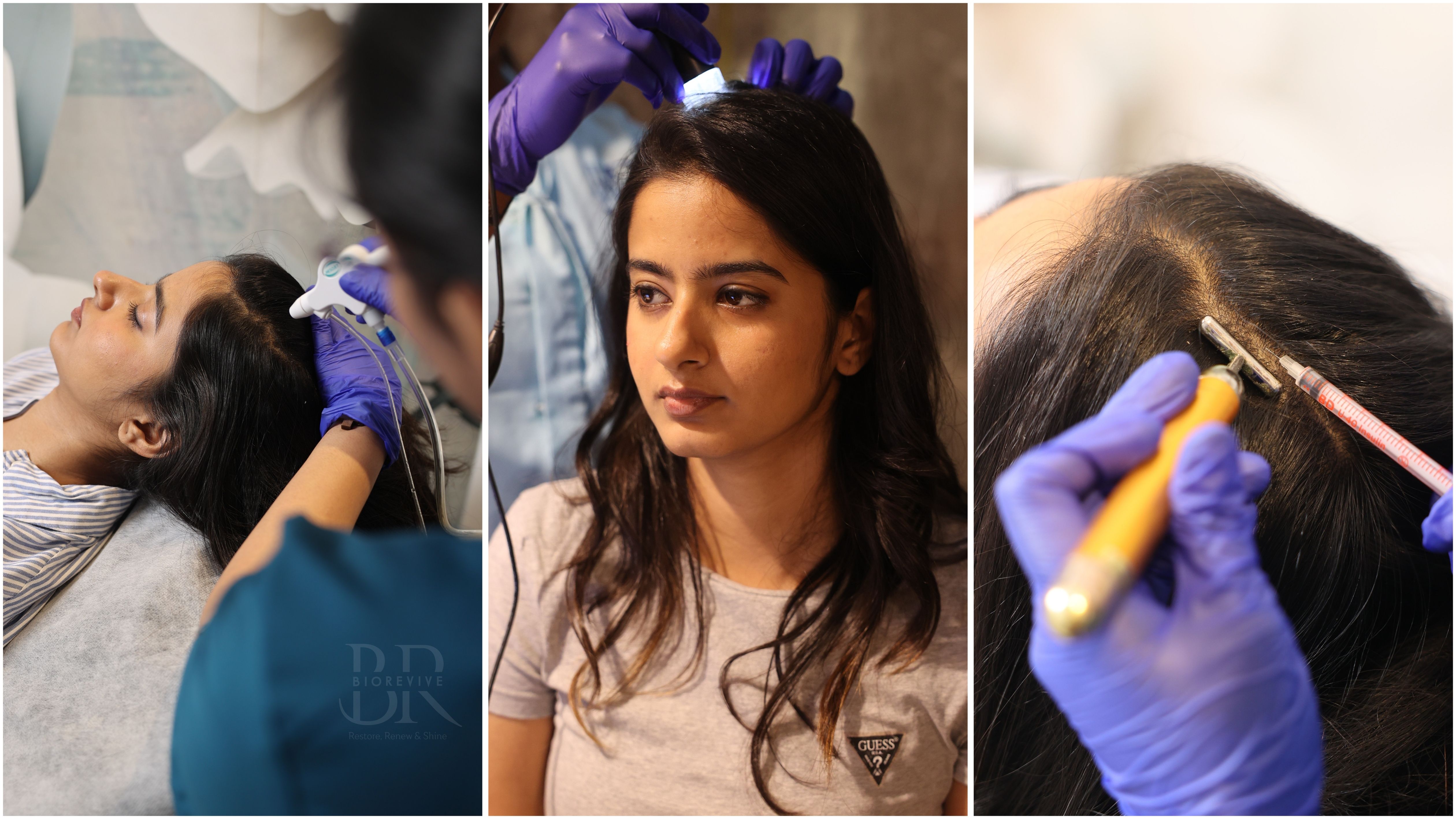
PRP, or platelet-rich plasma therapy, uses platelet-rich plasma prepared from the patient's own blood.
The prepared plasma is administered to selected areas of the scalp as part of a dermatologist-guided treatment plan.
PRP May Be Considered For:
Selected cases of hair thinning
Early-stage pattern hair loss
Reduced hair density
Certain forms of excessive shedding
PRP treatment plans may require multiple sessions, depending on individual requirements.
Limitations: Results vary, and PRP may not be suitable or equally effective for every type or stage of hair loss.
A professional consultation and scalp assessment can help determine the most appropriate treatment plan and provide accurate cost information based on individual requirements.
When Will You See Results?
Hair restoration is generally a gradual process.
The timeline depends on:
Cause of hair loss
Type of treatment
Hair growth cycle
Severity of thinning
Individual response
Consistency with the treatment plan
Recommended complementary treatments
General Treatment Timeline
Period
General Expectation
First few days
Temporary scalp sensitivity or redness may occur after certain procedures
First few weeks
Usually too early to assess visible hair growth
2–3 months
Early changes may begin in some individuals, depending on treatment and condition
3–6 months
Changes in hair quality or the appearance of density may become easier to assess
Beyond 6 months
Further evaluation and maintenance planning may be considered
These are general expectations only. Results vary depending on the individual and the underlying cause of hair loss.
Hair density should not usually be judged immediately after starting treatment.
Why Choose BioRevive for Hair Fall Treatment in Chennai?
At BioRevive, hair restoration recommendations are based on individual assessment rather than a one-size-fits-all approach.
Our approach includes:
Personalised scalp and hair assessment
Evaluation of possible underlying causes
Treatment selection based on individual diagnosis
Advanced non-surgical treatment options
Individualised treatment plans
Follow-up and progress monitoring
Guidance on appropriate scalp and hair care
The most suitable treatment depends on your individual hair and scalp condition.
The bestHair Fall Treatment in Chennai depends on the underlying cause of hair loss. A professional scalp and hair assessment can help determine whether medical management, PRP, GFC, LLLT, or another treatment approach may be appropriate.
Can Hair Fall Be Stopped Permanently?
Some causes of hair fall may be temporary and improve once the underlying trigger is addressed. Genetic hair loss and certain chronic conditions may require long-term management.
Results depend on the specific diagnosis and individual response to treatment.
Is PRP Better Than GFC?
PRP and GFC use different preparation methods involving blood-derived components. The most appropriate option depends on the individual's scalp condition, hair loss pattern, treatment goals, and the dermatologist's clinical assessment.
How Many Sessions Are Required?
The number of sessions depends on:
Type of treatment
Cause of hair loss
Severity of thinning
Individual response
Your specialist can recommend an appropriate treatment schedule after assessment.
Can Stress Cause Hair Fall?
Yes. Significant physical or emotional stress can contribute to temporary increased hair shedding in some individuals.
If hair fall persists, professional evaluation can help determine whether other factors are also involved.
Can Nutritional Deficiencies Cause Hair Fall?
Certain nutritional deficiencies may contribute to hair shedding or poor hair quality. A medical professional may recommend appropriate investigations when clinically necessary.
Supplements should not be taken without understanding the underlying cause.
When Should I Consult a Specialist?
Seek professional advice if hair fall is:
Persistent
Progressively worsening
Associated with visible thinning
Causing bald patches
Accompanied by scalp itching, redness, or scaling
Sudden or unexplained
Early assessment can help identify the cause and guide appropriate treatment.
Can Women Undergo Hair Fall Treatment?
Yes. Women may undergo appropriate hair restoration treatments after a detailed medical and scalp assessment.
Because female hair loss can have different causes, identifying the underlying condition is important before starting treatment.
Conclusion
Hair fall can occur due to many factors, including genetics, hormonal changes, stress, nutritional deficiencies, medical concerns, and scalp conditions.
If you are looking forHair Fall Treatment in Chennai, identifying the underlying cause should be the first step. A detailed scalp assessment can help determine whether lifestyle changes, treatment of an underlying condition, medical management, or non-surgical hair restoration procedures may be appropriate.
At BioRevive, personalised treatment recommendations are made based on individual hair loss patterns, scalp condition, medical considerations, and treatment goals.
Book a Hair Consultation
If you are experiencing persistent hair fall, thinning hair, reduced density, or changes in your hairline, schedule a professional consultation to understand the possible cause and explore suitable treatment options.
Medical Evidence and References
Before publishing, add 3–5 authoritative references reviewed and approved by your dermatologist. Suitable sources may include:
Peer-reviewed dermatology literature on hair loss and androgenetic alopecia
Evidence reviews on platelet-rich plasma for hair loss
Dermatology association guidance on the evaluation and management of hair loss
Research on hair follicle biology and the hair growth cycle
Important: Treatment suitability, evidence, and recommendations should be reviewed by a qualified dermatologist before publication.
.png)